Smart façades integrating technology in buildings, Scottish architecture tradition, electric apex blinds
Smart Façades: Integrating Technology and Tradition in Scottish Architecture
12 November 2025
When people think of Scottish architecture, they often imagine traditional stone terraces, Victorian townhouses, tenements with character, or converted mill buildings sitting proudly against dramatic rural landscapes. Yet Scotland is now also home to some of the most progressive façade technologies in the UK. Many newer Scottish developments — especially those in Glasgow, Edinburgh and Aberdeen — have started to adopt smart building skins, dynamic glazing systems and adaptive façade treatments to improve energy performance while still preserving architectural context.
The Scottish climate shapes all of this. The country experiences shorter daylight hours in winter, colder temperatures and wind exposure in many coastal and rural settings. Because of this, glazing choices, shading methods and façade detailing are not simply aesthetic decisions. They are core functional factors that determine comfort, heat loss, solar gain and lifetime performance.
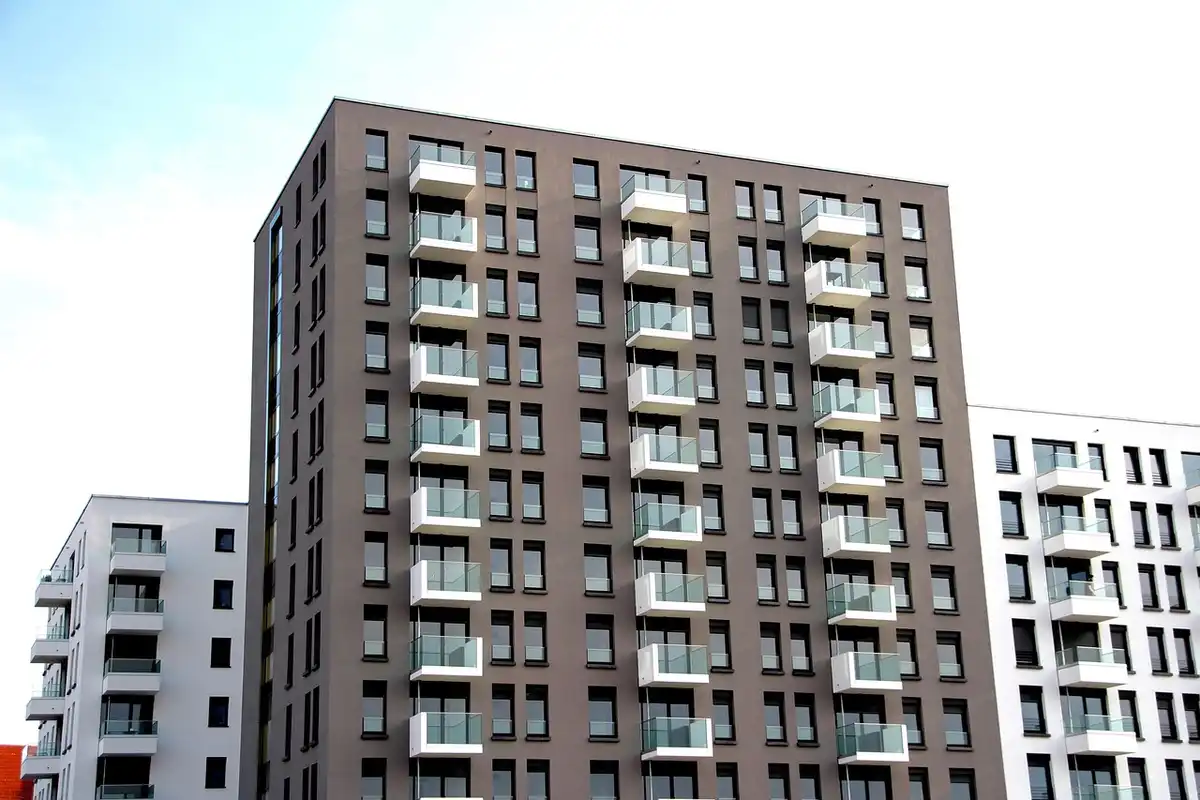
Why Smart Façades Make Sense in Scotland
Scotland’s building stock is a blend of old and new. On one street, you might find a listed tenement next to a highly contemporary apartment building. This mix creates both opportunities and constraints for designers and home improvers. Smart façades allow buildings to respond to changing conditions instead of behaving statically.
Dynamic glass, for example, can adjust its level of tint in response to sunlight. This reduces overheating without the need for heavy drapes or stark external shutters. Meanwhile, insulated glazing systems help reduce heat loss — which is particularly valuable in Scottish locations exposed to prevailing winds.
Traditional Materials Still Matter
Stone façades and timber detailing still hold strong emotional importance in Scotland, and rightly so. Many homeowners want to embrace modern technology without losing the connection to character. New-builds in conservation areas often work with contemporary proportions but use sympathetic cladding or colours that echo local tone.
The key is not to discard history, but to use it as a framework within which smarter elements can live. Smart sensors, better insulation layers and discreet shading systems can blend seamlessly into these traditional treatments, enhancing rather than overpowering them.
Apex Glazing in Contemporary Scottish Homes
One growing trend across Scotland is the use of dramatic apex glazing in new extensions. These tall triangular window forms allow more light in, which is valuable given the darker winter months north of the border. However, they bring their own shading challenges.
Apex blinds solve this problem without compromising views. Electric apex blinds, like the ones manufactured by Sona are worth considering because operating blinds at height manually can be difficult or unsafe. Motorised apex blinds can be controlled from wall switches or smart-home systems, making the light control practical whilst still supporting the architectural statement of the glazing.
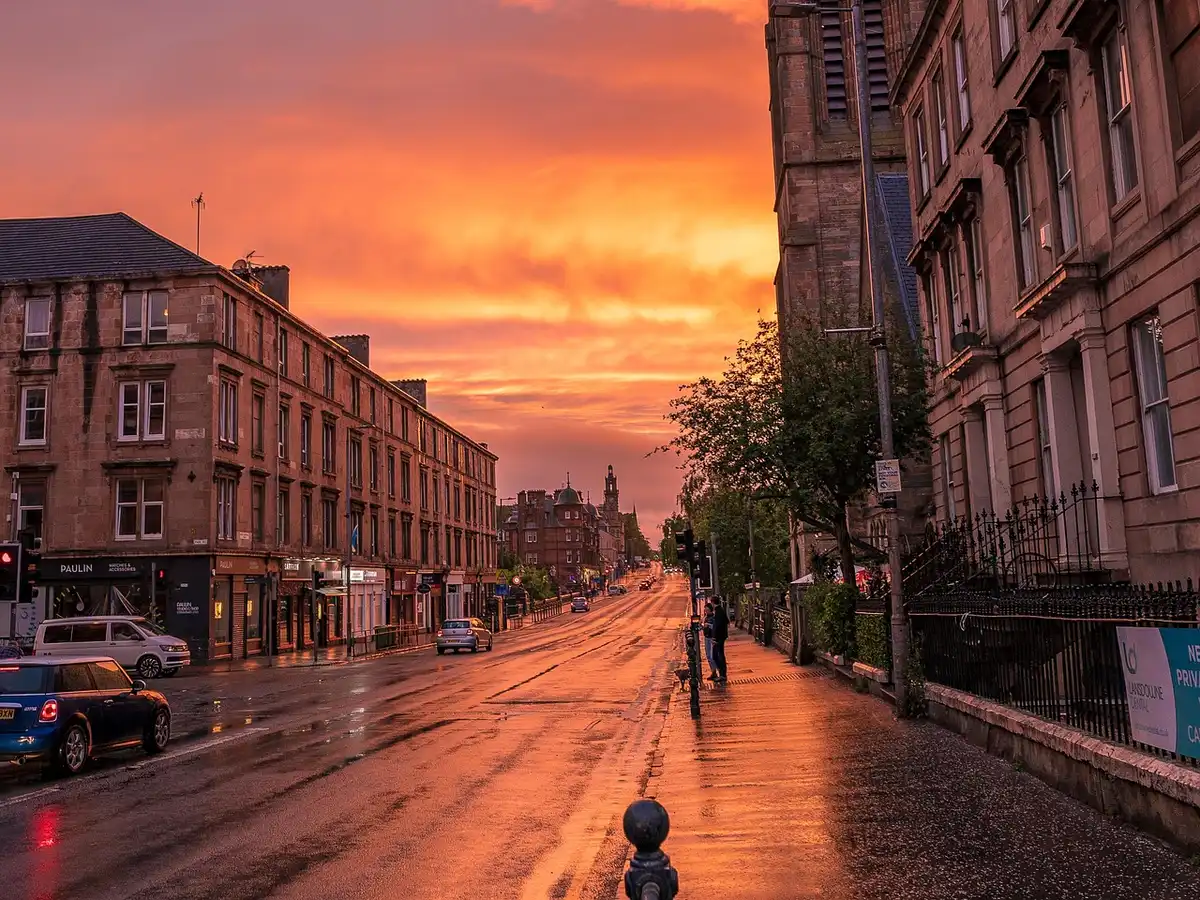
Smart Glass and Switchable Privacy
Switchable privacy glass, once a rarity, is becoming more accessible. This technology allows occupants to change glass opacity from clear to frosted instantly. In Scotland’s urban flats and townhouses, where neighbouring buildings can sit very close, these systems reduce the need for heavy curtains during daytime hours.
When paired with well-insulated frames and correct low‑E glazing coatings, switchable glass can contribute both to privacy and to thermal performance.
Solar Gain vs Heat Loss
Scottish buildings tend to lose more heat than they gain, especially in exposed or northern coastal areas. While passive solar gain is helpful on sunny winter days, it cannot be the primary heating strategy. Therefore, smart façades in Scotland often prioritise heat retention first, then solar control second.
Double or triple glazing, thermally broken frames and insulated reveals are all effective methods. Combining these with automated shading allows buildings to benefit from any available sun without losing comfort once the temperature drops.
Technology That Compliments Landscape
In Scotland, architecture does not just belong to the built environment. The landscape is a partner in any design conversation. Smart shading systems, advanced glazing and façade automation can make modern homes sit more naturally in rural settings. Instead of static external shutters, adaptive internal shading offers control without bulky external additions.
Many homeowners and architects now see façade technology not as a futuristic add‑on, but as a refined extension of Scotland’s long tradition of resourceful building — embracing craft, location and environment.
Conclusion: Scottish Homes Deserve Intelligent Design
Modern Scottish homes do not need to choose between tradition and technology. With the right façade systems, dynamic glazing and adaptive shading, buildings can respond to weather and daylight while respecting materials, silhouette and history.
Smart façades are not about hiding our architectural heritage. They are about allowing Scottish buildings to endure — with comfort, efficiency and integrity — in a landscape that continues to evolve.
Comments on this guide to Smart façades integrating technology in buildings article are welcome.
Architecture
Property Design
Rowanbank Gardens Edinburgh Housing
West Town Edinburgh Property Vision
Comments / photos for the Smart Façades – Integrating Technology and Tradition in Scottish Architecture page welcome