Edinburgh and Barcelona: The unlikely similarities between the two property markets
28 September 2026
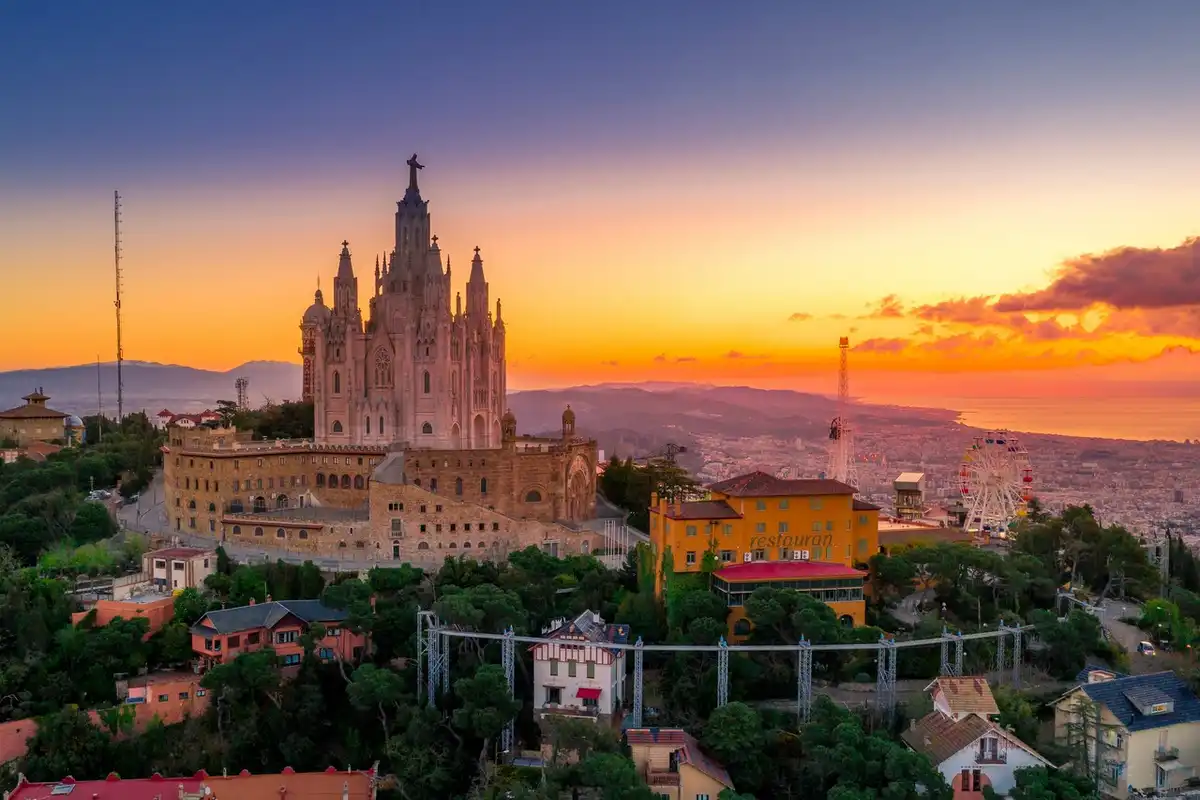
From the drizzle to sunshine, it may seem that Edinburgh and Barcelona don’t have much in common. But with the two significant cities both battling with tourism, overcrowding, high rent prices and protecting historical sites, they share a lot of similarities – particularly when it comes to property. And, some may say, that Barcelona has been a source of inspiration for Edinburgh for a long while now.
Same tenants, different accents
Neither city’s rental sector depends on tourists like many assume. It actually runs on students and young professionals who come to the city in search of jobs, education, nightlife and a cosmopolitan way of life.
The University of Edinburgh, alone, enrolled almost 50,000 students in just 2024/25, and that’s before counting Heriot-Watt, Napier or Queen Margaret. Then add in a financial and fintech sector that employs, again, around 50,000 people, that also generates roughly 30% of the local economy. What you get is relentless demand for flats near the centre and historical grade buildings that cannot be knocked down and redeveloped.
Barcelona has its own similar version of this. The 22@ innovation district hosts 25,000 students and 93,000 tech workers from 8,000+ companies. Most of them want to live within a bike ride of the office, not in the suburbs (because, in part, millennials are having fewer kids).
Landlords in both cities have seen the same rush to the center, as they rely on public transport and value things like trendy cafes over bars, and being pet-friendly over having a parking space.
Both cities are turning on short-term lets
It may sound like a negative thing for a city to be inundated with people or, worse, being totally transient. But this is where things get eerily similar.
Barcelona announced it won’t renew any of the city’s 10,000+ tourist apartment licences once they expire, meaning it’s looking to hand those flats back to residents instead.
Edinburgh made a similar move, becoming Scotland’s first short-term let control area back in 2022. Licensing was then mandatory by mid-2024.
Both cities have massive tourism industries, but neither wants to depend on tourism, and both seem to be catering towards locals, or recent migrants, rather than holiday-makers.
The international buyer overlap
You may think that the moves against short-term rentals would ruin demand, but far from it. Both cities have more buyers than before, partly because they now feel more protected (e.g. less chance of your upstairs neighbour becoming an AirBnB). And those who do secure a license now have less competition and are likely charging higher prices.
For those who enjoy Edinburgh, Barcelona has long been an alternative with a similar, but sunnier, offering. And for buyers, they can actually get more square footage for their money in Barcelona. That’s the market that BCN Advisors have spent fifteen years working in, offering a diverse portfolio of properties for sale Barcelona and deep local expertise.
Two cities, one set of pressures
This isn’t to say they’re the same city with different weather, even if they do overlap on the venn diagram of people who enjoy both. But for those who romanticise medieval cities, you can find similarities in their job markets, rental markets, growing property markets and heavy pedestrianisation – all born out from the same pressures to accommodate locals and tourists alike.
Comments on this guide to Edinburgh and Barcelona property markets article are welcome.
Edinburgh Architecture
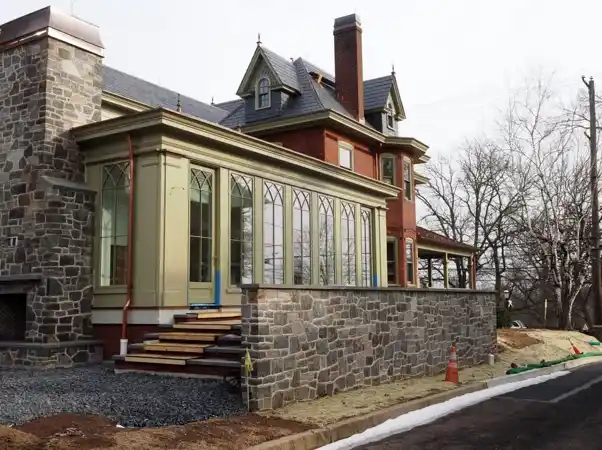
Contemporary Scottish Capital Property Designs – recent architectural selection below:
New National Centre For Music Edinburgh
British Medical Association HQ Edinburgh

Comments / photos for the permanent Edinburgh and Barcelona property markets page welcome