Edinburgh loft conversion drawings, Lothian home expansion guide, Scottish residential property refurb
Loft Conversion Drawings in Edinburgh: A Homeowner’s Guide
25 March 2026
Edinburgh’s Victorian terraces, Edwardian semis, and sandstone tenements are full of character — but often short on space. As a result, loft conversions have become one of the most popular home improvements across the capital. Converting unused roof space into a bedroom, home office, or studio can add significant value to a property without altering its footprint, making it an attractive option in a city where lateral extensions are often constrained by plot boundaries and conservation restrictions.
However, Edinburgh homeowners face a regulatory process that differs meaningfully from the rest of the UK — and understanding it before starting any project can save considerable time and money.
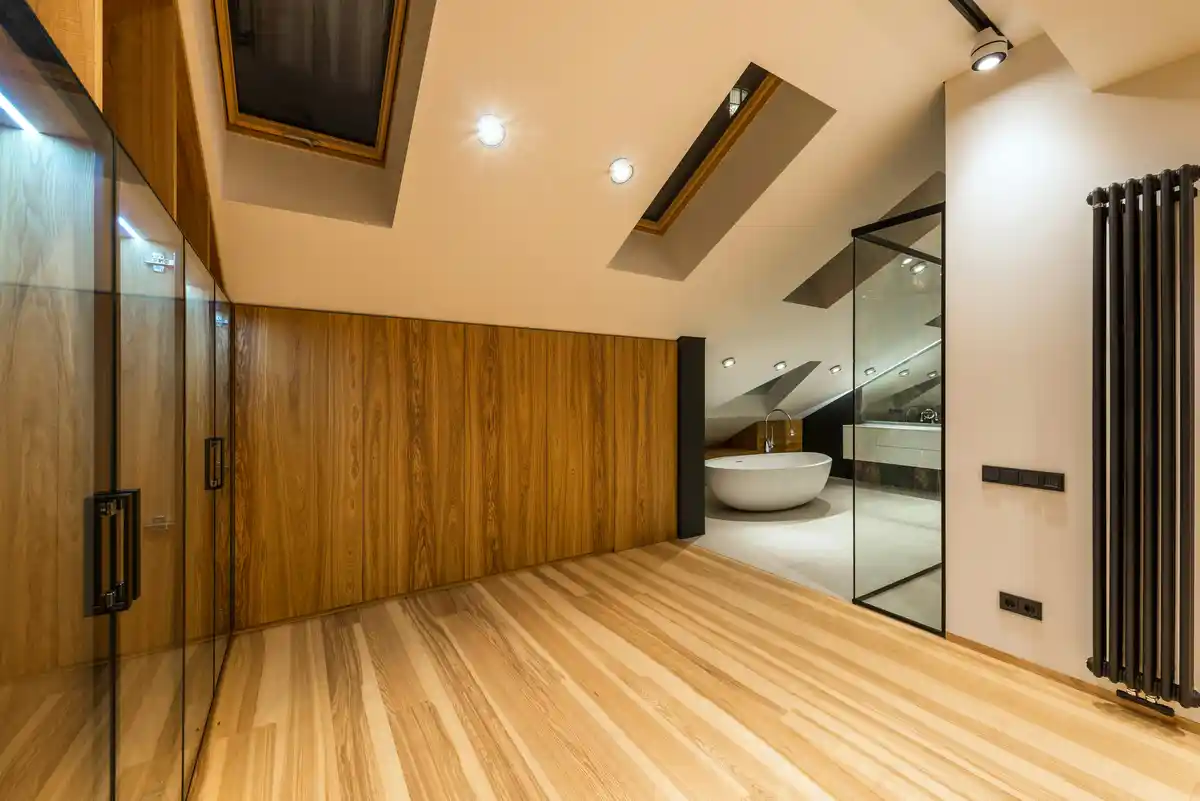
Scotland’s Building Warrant System
Unlike England and Wales, where lighter-touch routes are sometimes available, Scotland requires a Building Warrant for every loft conversion without exception. This applies regardless of whether planning permission is also needed. The Building Warrant is issued by the local council’s Building Standards department and can only be applied for with a full set of technical drawings and specifications submitted in advance.
This means professionally prepared loft conversion drawings are not optional — they are a legal requirement before any construction work begins. Drawings must cover existing and proposed floor plans, roof cross-sections, structural details, insulation and thermal specifications, fire safety strategy, and stair design. Once submitted, a Building Standards surveyor reviews the package and may issue clarification requests before granting approval.
Planning Permission in Edinburgh
Many Edinburgh loft conversions also require planning permission, particularly where the roofline is altered. Adding a dormer window, raising a ridge, or carrying out a hip-to-gable conversion will typically trigger a planning application to the City of Edinburgh Council. Properties in conservation areas — of which Edinburgh has a significant number — face additional scrutiny over materials, dormer design, and visual impact on the streetscape.
Where no external alterations are proposed, such as a straightforward Velux conversion, permitted development rights may apply. However, it is always advisable to confirm this with the planning authority before proceeding, rather than assuming an exemption applies.
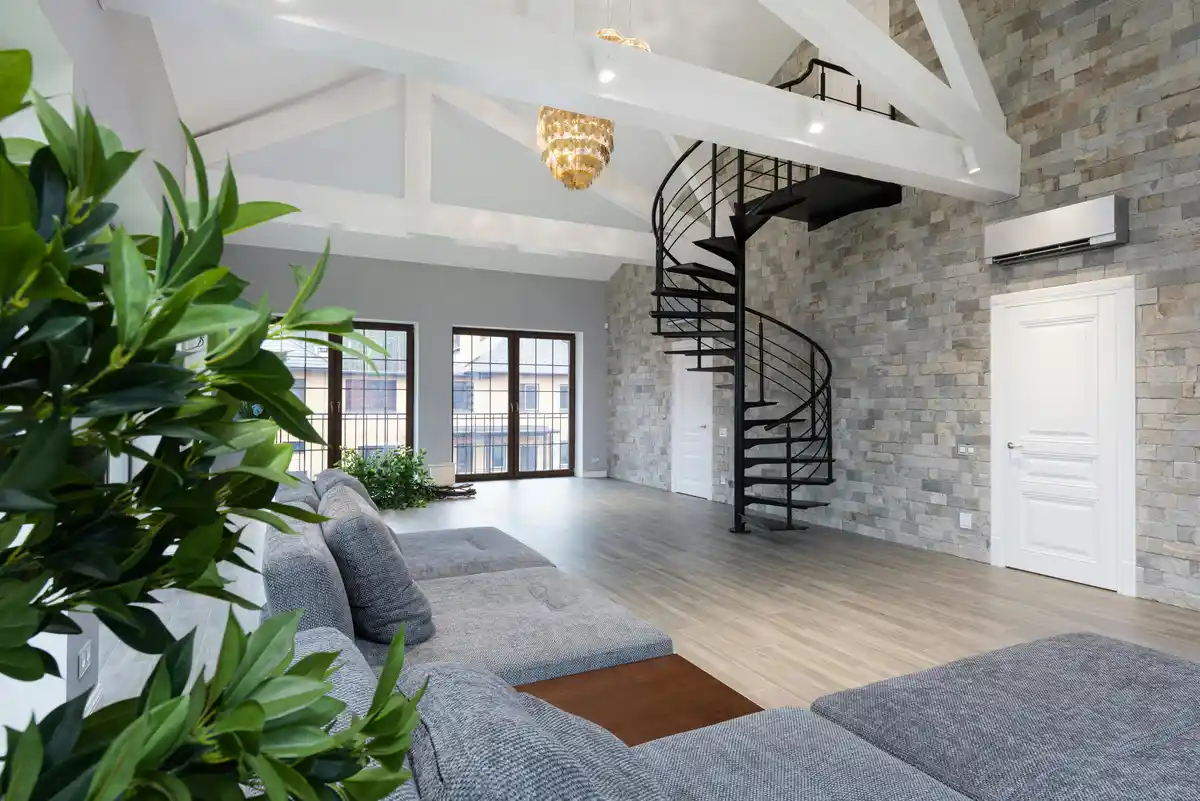
What the Drawings Must Include
A complete drawing package for an Edinburgh loft conversion covers several key elements. Floor plans must demonstrate minimum finished ceiling heights of 2.0m throughout the habitable zone. Roof sections must show insulation build-up, rafter depths, and structural modifications. Where a dormer is proposed, elevations must show its relationship to the existing roofline and neighbouring properties.
Structural engineer input is always required alongside the architectural drawings. For older Edinburgh properties with traditional cut-and-pitch roofs, the structural assessment will determine how existing rafters and ceiling joists are to be modified or supplemented. For properties with modern truss roofs, an engineered replacement strategy must be detailed before Building Standards will approve the submission.
Fire safety detailing is equally important. Scotland requires interlinked smoke and heat alarms throughout the dwelling, and the drawings must show a compliant strategy across all floors including the new loft level. Escape window positioning, protected stair arrangement, and fire door provision must all be addressed in the package.
Getting the Process Right
The Building Warrant process in Edinburgh can take several months. Submitting an incomplete or under-detailed drawing package is one of the most common causes of delay, as each round of queries from Building Standards adds weeks to the timeline. Engaging a qualified architectural technologist or architect with experience of Scottish Building Regulations from the outset is the most reliable way to navigate the process efficiently.
Once a Building Warrant is issued, construction can begin. On completion, a Completion Certificate must be submitted and accepted by Building Standards before the new space can be legally occupied. This final certificate is also important for future property sales, as lenders and solicitors will require evidence that the conversion was carried out with full regulatory approval.
For Edinburgh homeowners considering a loft conversion, the message is straightforward: the drawings come first, and getting them right makes everything else easier.
Comments on this guide to Edinburgh loft conversion drawings – Scottish capital home expansion article are welcome.
Architecture
West Town Edinburgh Property Vision
5 benefits of commercial 3D rendering
The Artistry of Architectural Rendering

Comments / photos for the Edinburgh loft conversion drawings – Scottish home expansion advice