The Cost of Keeping the New Town Warm
10 July 2026
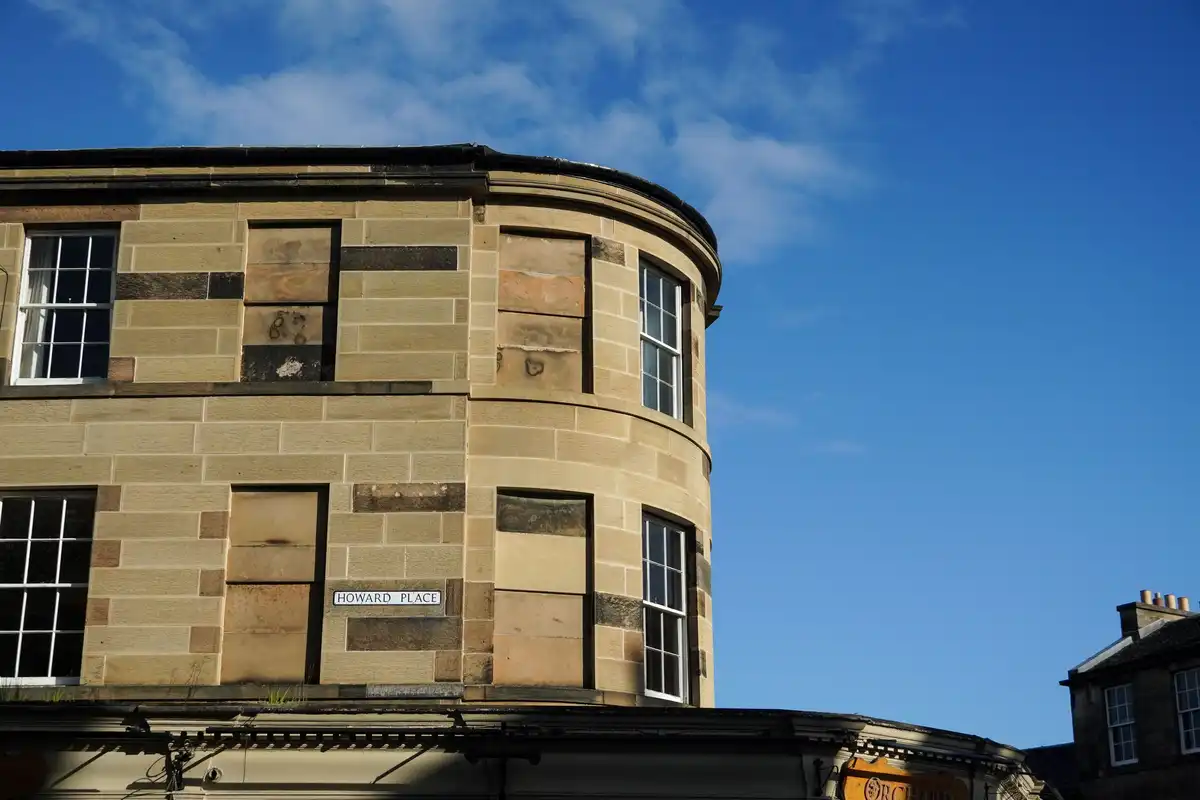
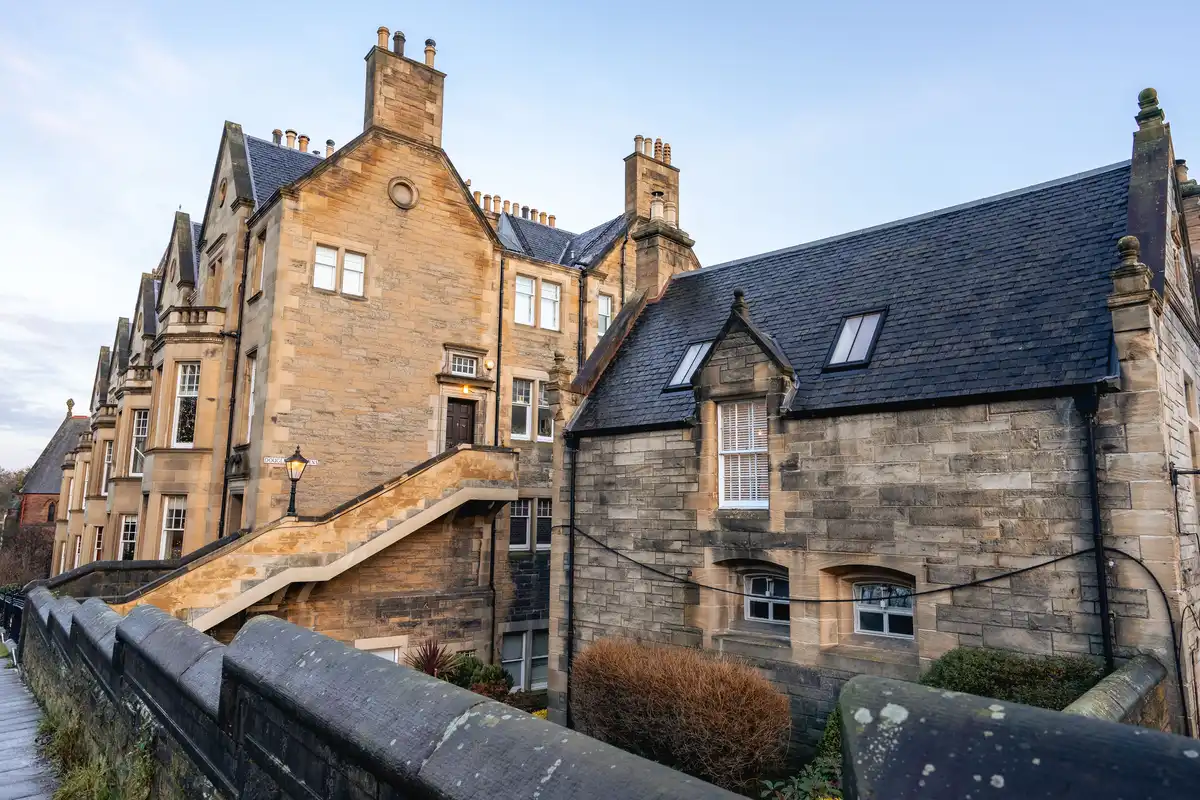
Edinburgh’s New Town was planned before central heating existed, and in many ways it shows. The Georgian terraces that now house solicitors, architects and asset managers were built for coal fires in every room, with solid stone walls that hold heat poorly and sash windows that conservation officers, quite rightly, will not let anyone replace with uPVC.
Keeping Edinburgh New Town homes warm cost advice
The result is a category of building that is loved, listed and expensive to occupy. Historic Environment Scotland publishes detailed guidance on saving energy in traditional buildings, and its Guide to Energy Retrofit shows what is achievable within consent. But even a well-treated pre-1919 building carries heating demand per square metre that a new-build office would never see. Anyone who has managed a converted townhouse through an Edinburgh January knows the gas bill that follows in February.
What is less widely understood is how much of that bill is negotiable. Consumption in a listed building is stubborn, but the price paid per unit of business gas is not. Suppliers quote the same meter very differently depending on its demand profile, and a winter-heavy Georgian conversion is exactly the kind of load where the spread between quotes is widest. Many occupiers never see that spread because they renew with the incumbent without asking anyone else.
Practices, including many RIAS members who occupy this kind of stock themselves, have started treating gas procurement the way they treat insurance, tendering it each cycle rather than renewing by habit. Renewal data from independent broker Purely Energy puts the typical saving from a whole-of-market tender at 15 to 30 per cent, a margin that matters in buildings whose consumption cannot easily be engineered away.
The stone is permanent. The unit rate, thankfully, is not.

Frequently asked questions
Why are Georgian and Victorian buildings so expensive to heat?
They were designed around open fires in individual rooms, so they have solid stone or brick walls with no cavity to insulate, high ceilings, large single-glazed windows and significant air leakage. Modern insulation options are limited by both the construction method and, in many cases, listed building consent.
Can you improve energy efficiency in a listed building?
Yes, within limits. Measures such as draught proofing, secondary glazing, loft insulation and heating controls are usually acceptable and Historic Environment Scotland publishes guidance on all of them. More invasive works like external wall insulation or window replacement typically will not receive consent, which is why older buildings retain higher baseline demand even after sensible improvements.
How much of a commercial gas bill is actually negotiable?
The wholesale element, roughly half the delivered price, plus the supplier’s margin. Network charges and levies are fixed, but the rate at which a supplier passes through wholesale costs varies widely between quotes for the same meter, particularly for buildings with winter-heavy demand. Testing several suppliers rather than accepting a renewal offer is how that spread is captured.
Sources
Historic Environment Scotland, saving energy in traditional buildings: https://www.historicenvironment.scot/advice-and-support/your-property/saving-energy-in-traditional-buildings/
Scottish Government, Guide to Energy Retrofit of Traditional Buildings: https://findbusinesssupport.gov.scot/service/self-help-guides/guide-to-energy-retrofit-of-traditional-buildings
Royal Incorporation of Architects in Scotland: https://www.rias.org.uk
Comments on this guide to Keeping Edinburgh New Town homes warm article are welcome.
Architecture

Comments / photos for the Keeping Edinburgh New Town homes warm advice guide page welcome.