Avoiding home hazards for older people guide, property seniors help, safe house layouts
Avoiding Home Hazards for Older People Advice
3 February 2026
Designing Out Danger : Advocacy Group Warns of Hidden Home Hazards for Older People
Architects, designers and homeowners are being urged to think more carefully about how ordinary design decisions can increase risk for older residents. Help for Seniors, an advocacy group focused on later‑life safety, says familiar features such as loose rugs, dimly lit stairs and awkward storage are contributing to avoidable accidents in homes across the UK.
A recent poll commissioned on behalf of Help for Seniors found that more than half of adults with retirement‑age parents have already made, or recommended, adjustments to their parents’ homes to make them safer. The findings suggest that many families are quietly carrying out small adaptations – from grab rails to better lighting – to compensate for layouts and details that were never designed with ageing in mind.
According to the advocacy group, falls and trips remain the most widespread issue. Loose rugs and mats that slip or curl, electrical leads trailing across walkways, cluttered hallways and changes in floor level can all turn straightforward routes into high‑risk zones for anyone with reduced balance or mobility. Poor lighting exaggerates the problem, particularly on stairs or at thresholds, where shadows or glare make it harder to judge depth and distance.
Bathrooms and staircases stand out as the most hazardous spaces. Slippery hard surfaces, a lack of grab bars, and low toilet seats are a frequent source of serious falls in bathrooms, where any loss of footing can have severe consequences. On stairs, the combination of inadequate handrails, inconsistent step dimensions and clutter left on treads significantly raises the chance of accidents, especially for those who are tired or carrying items between floors.
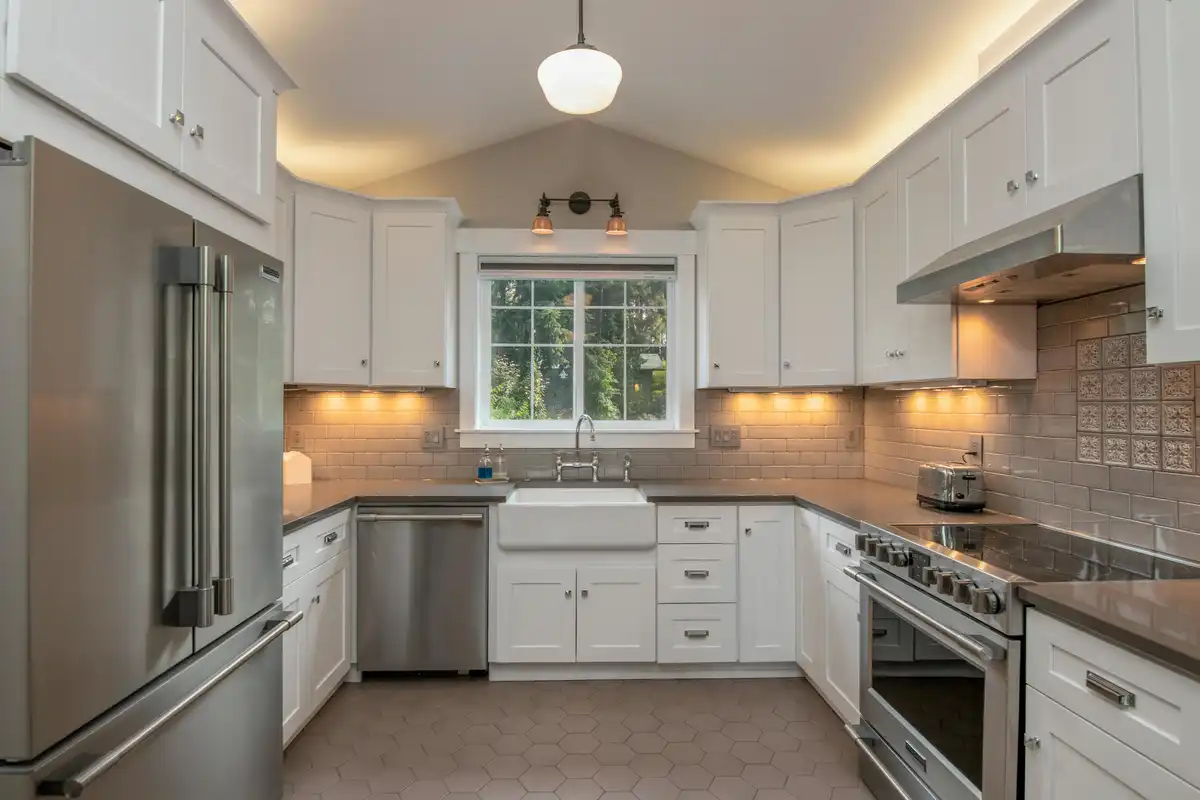
Help for Seniors also warns of kitchen and fire risks that are often overlooked in design discussions. Unattended cooking remains a key cause of domestic fires, while overloaded sockets, trailing appliance cables and poorly placed kettles or taps increase the likelihood of burns and trips. Storage is another subtle hazard: cupboards that require stretching, bending or climbing onto stools encourage risky movements that become harder with age.
Nathan Cook of Help for Seniors takes a measured view: “In most cases, these are not dramatic structural faults. They are small details that accumulate over time and become more of a problem as people’s strength, vision or balance changes. The good news is that many hazards can be reduced through straightforward design decisions and modest alterations.”
The group’s guidance emphasises practical steps. Removing or firmly securing loose rugs, simplifying circulation routes and keeping frequently used items at waist height can make a noticeable difference day‑to‑day. In circulation areas and stairwells, continuous handrails on both sides, level or gently ramped thresholds and consistent, even lighting all help older people move around with more confidence.
Bathrooms benefit from non‑slip surfaces, well‑positioned grab bars and fittings that minimise the need to twist or reach. In the kitchen, locating ovens at mid‑height, specifying lever taps and ensuring clear worktop space near the hob and sink can reduce strain and the risk of scalds. For those living alone, discreet personal alarms or call systems provide an important back‑up if a fall does occur.
Cook argues that these considerations sit comfortably within good architectural practice: “Thoughtful detailing around stairs, bathrooms and circulation can improve safety without undermining the overall design. Many of the solutions – better lighting, clearer layouts, well‑placed handrails – also make the home easier to use for visitors, children and people with temporary injuries.”
For professionals working on refurbishments, extensions or new‑build homes, the message is to integrate age‑friendly design from the outset rather than treating it as a late addition. As the population ages and more people aim to remain in their own homes for longer, Help for Seniors is encouraging the wider use of simple, evidence‑based measures that reduce risk and support independence in later life. Further advice and resources from Help for Seniors are available via the organisation’s website.
Comments / photos for the guide to Avoiding home hazards for older people page welcome.
Property Development News

New Homes
Artisan Real Estate Developments
Artisan Real Estate Sustainable Homes
++
Edinburgh Property Developments
Architecture Developments in the Central Belt
Springside Quarter Fountainbridge
Comments / pictures for the Designing Out Danger: Advocacy Group Warns of Hidden Home Hazards for Older People advice guide page welcome.