Fashionable architectural and interior design styles, Japandi property decor, contemporary naturalism guide
Fashionable architectural and interior design styles guide
2 March 2026
The most fashionable architectural and interior design styles : between refined references and everyday comfort
In recent years, residential architecture and interior design have stopped being merely a matter of what is “beautiful” and “functional,” becoming instead a complete language: they tell stories about values, habits, and even contemporary anxieties. Today’s homes move between a desire for simplicity and a need for warmth, between nostalgia for the past and attraction to a technological future. Yet, behind the sheen of trends, it is wise to keep a critical eye: many fashions respond more to social media imagery than to real life, and the risk is furnishing photo sets rather than spaces to live in. At the same time, some current movements are compelling because they reinterpret artistic and historical references intelligently, producing more conscious environments.
Warm minimalism and “quiet luxury”: fewer objects, more materiality
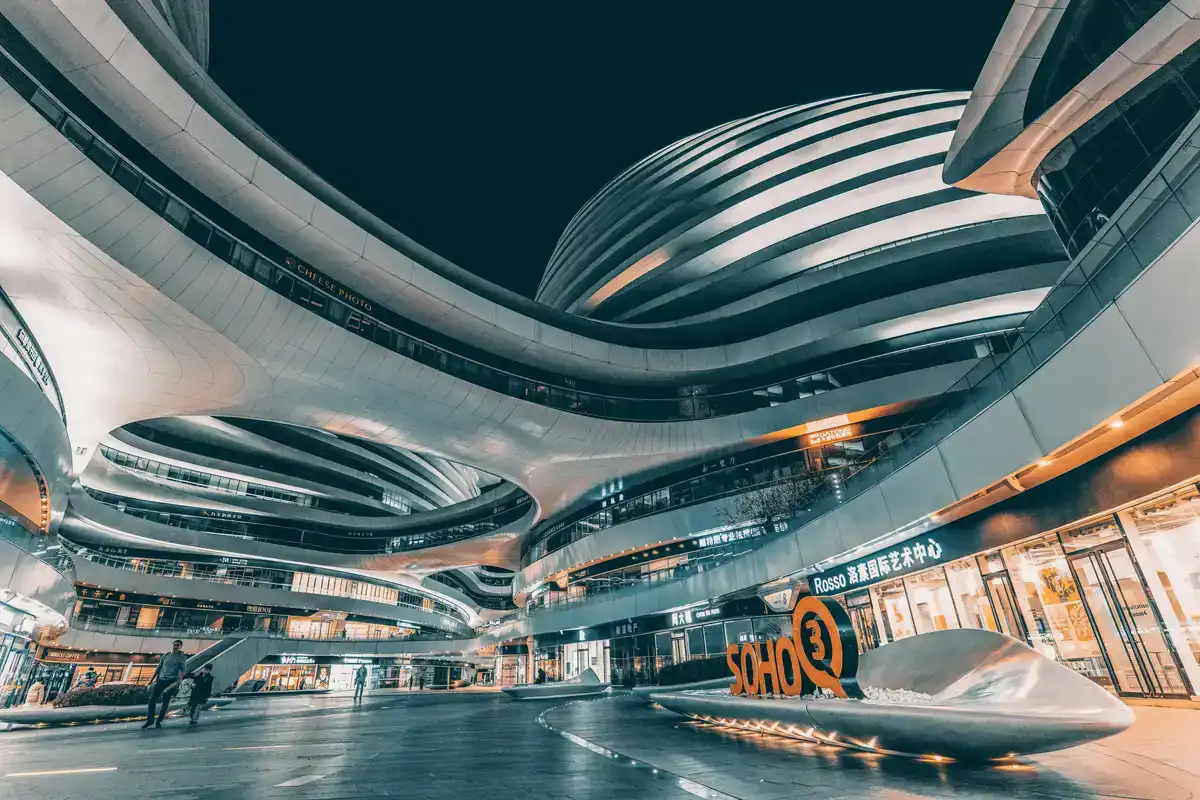
Minimalism is no longer the severe, almost ascetic version of the early 2000s. Today, a “warm” minimalism prevails, often associated with the concept of quiet luxury: clean lines, yes, but softened by tactile and natural materials. In architecture this translates into clear volumes, generous openings, and clean façades, yet with strong attention to texture: mineral plasters, matte stone, brushed wood. Inside the home, neutral palettes dominate, layered with materials that prevent a “clinical” effect.
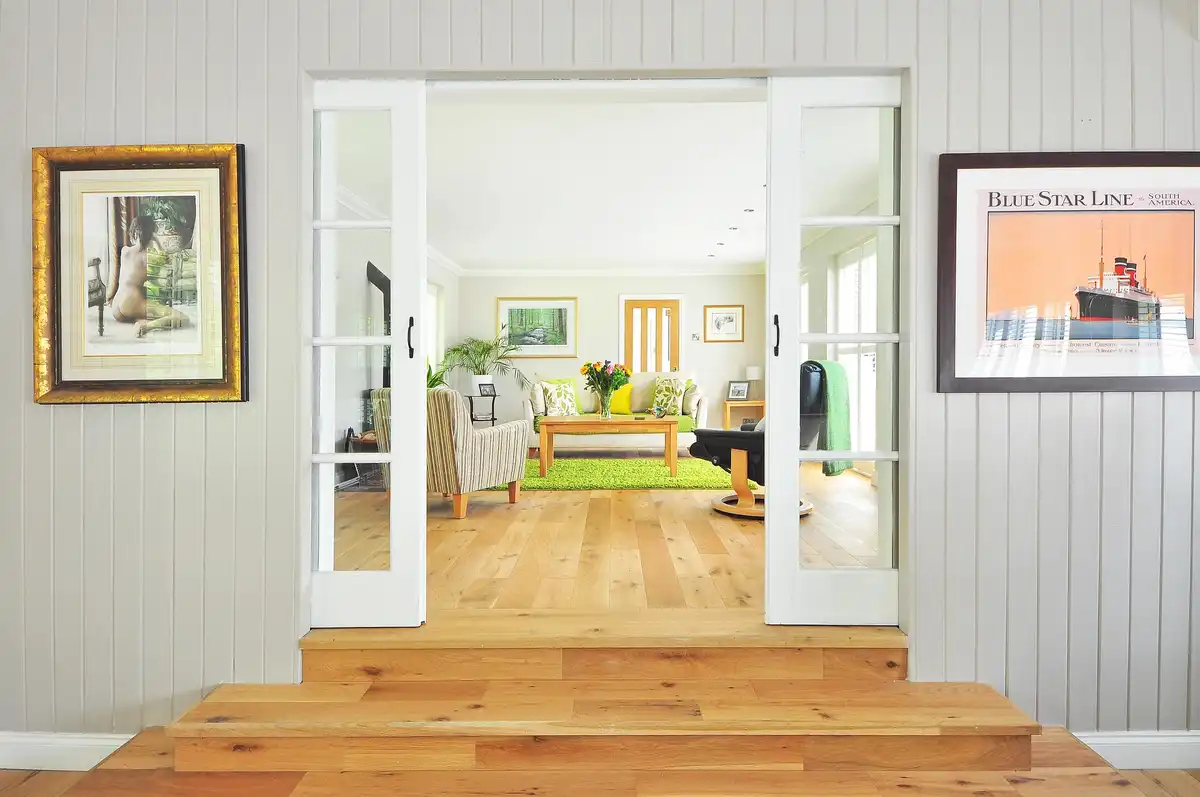
Flooring plays a decisive role: light oak parquet is highly sought after, often in wide planks or updated herringbone patterns, along with microcement or resin in sand and greige tones, appreciated for their visual continuity. A critical note is necessary here: total continuity looks stunning in photos but requires maintenance and tolerance for imperfections. In terms of lighting, chandeliers are no longer baroque protagonists; instead, sculptural yet light pendants in opal glass or burnished metal are preferred, providing warm, diffused light. Artistically, the reference point seems less radical modernism and more a European-filtered wabi-sabi sensibility: an appreciation of imperfection as an antidote to excess.
Japandi and contemporary naturalism
Among the most fashionable styles, Japandi remains strong because it combines two traditions: Japanese restraint and Nordic comfort. The result is a home that promises calm, order, and room to breathe. Architecturally, this means well-proportioned spaces with few bold gestures; inside, low furniture, light woods, linen textiles, soft curtains, and handcrafted objects chosen sparingly.
Here, floors and walls work together: light parquet or bamboo, essential wall paneling, milky and clay tones, sometimes a lime-washed wall that captures and “softens” the light in a poetic way. Lighting becomes almost invisible: minimal tracks, discreet wall lamps, contemporary lanterns in paper or technical fabric. The critical note concerns the risk of standardization: when every home becomes the same variation of a single mood, personality flattens. The style truly works when it does not erase life but frames it—well-lived books, traces of time, small chromatic contrasts.
Mid-century modern and the return of color
Mid-century modern has made a strong comeback, often intertwined with a renewed use of color. It is not mere revival: it revisits proportions and details that evoke an optimistic idea of modernity, that of Eames, Saarinen, and Gio Ponti. Architecturally, this translates into more fluid layouts, large glazing, and a dialogue between indoors and outdoors. Interiors feature low sideboards, seating with tapered legs, light paneling, and bolder colors: forest green, petrol blue, ochre, terracotta.
Flooring evolves as well: alongside parquet, terrazzo and terrazzo-effect ceramics reappear, often paired with graphic rugs. The chandelier returns as a sculptural element: satin brass, starburst forms, glass globes. The critical point lies in balancing reference and caricature: it takes little for an interior to slip into a “themed room.” The best approach is selective—one iconic piece, then a contemporary context that keeps it alive.
Hybrid homes and leisure spaces
In contemporary living, the home is evolving into an increasingly hybrid space, where leisure is given a clear place within the design. The play room with an internet area becomes a true extension of the living space, conceived to accommodate different forms of digital entertainment in a natural way that aligns with the home’s overall style. In these connected environments, designed with integrated screens, comfortable seating, and adjustable lighting, the experience of online slots in UK can also fit seamlessly as one of many leisure activities at home, part of a daily digital ecosystem rather than an accessory element.
When these spaces are carefully designed, with durable yet warm materials, modular furnishings, and strong acoustic and visual comfort, technology enhances the home instead of overwhelming it, making the play room a fluid and convincing environment. In this way, the area dedicated to leisure becomes a stable component of contemporary domestic architecture, reflecting a lifestyle in which relaxation, connectivity, and well-being coexist in balance.
Domesticated industrial and “soft” lofts
Industrial style is no longer just exposed brick and visible pipes. Today the focus is on the soft loft: some raw material qualities are preserved, but combined with greater comfort and more refined finishes. In architecture, this often means the adaptive reuse of former industrial spaces, or new homes that reinterpret the industrial language through large window frames and generous volumes. Inside, concrete, metal, and leather are “softened” by textiles, warm woods, and more carefully designed lighting schemes.
Floors are often polished concrete or concrete-effect porcelain stoneware, practical but potentially cold, which is why they pair well with large rugs and warmer tones. Lighting fixtures embrace a technical aesthetic: metal dome pendants, linear suspensions, adjustable spotlights. From a critical perspective, it must be said that faux industrial can feel theatrical; without a genuine structural logic, the imitation becomes evident. Authenticity comes from respecting the building’s structure and maintaining coherence in the details, not from simply “adding brick” everywhere.
Comments on this guide to Fashionable architectural and interior design styles article are welcome.
Architecture
Rowanbank Gardens Edinburgh Housing
West Town Edinburgh Property Vision
Comments / photos for the Fashionable architectural and interior design styles page welcome