7 Design Strategies for Better Commercial Workspaces
22 July 2026
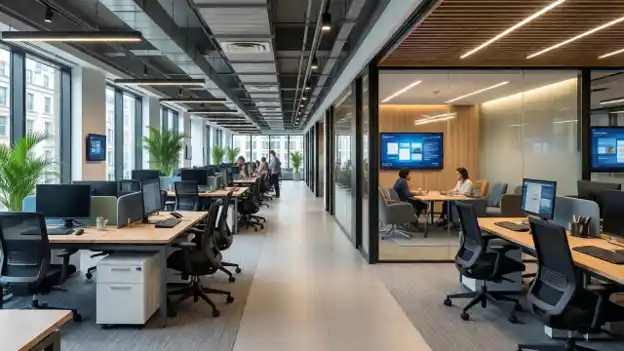
Commercial workspaces today are designed around more than just functionality. They must facilitate collaboration, productivity, employee well being and future business needs. A well designed setting can enhance the nature and way people interact with a building and its spaces. Collaborating with seasoned office design consultants London, organisations can design spaces that offer practicality and adhere to modern design trends.
1. Design Flexible and Adaptable Layouts
The shift to flexible workplaces is one of the major shifts in workplace design. Businesses are constantly evolving and office spaces need to evolve with the changing teams, technologies, and working styles.
Flexible workspace enables spaces to have multiple uses rather than a single use. This way businesses can utilise their space to the best of their means while enhancing the dynamism of the space.
The following are some of the major components of flexible office planning:
- Multi-purpose meeting areas
- Movable furniture solutions
- Shared collaboration spaces
- Areas where there is minimal noise for concentration work
- Areas that can be easily reconfigured
The flexible design can also accommodate various work styles. There might be areas that need to be used for teamwork and collaboration, and other areas that can be more quiet for concentration. A well-balanced work plan allows for a range of activities to occur at the workplace during the day.
2. Design Around Employee Wellbeing
Today, the well-being of the employees has become a key aspect of contemporary commercial design. An effective workplace should be comfortable, directed and connected.
The design of lighting, ventilation, acoustics, and natural materials can all make a difference in the design of the workplace.
Key wellbeing aspects include:
- To maximise access to natural daylight.
- Adding plants and natural materials.Adding plants and natural materials.
- Building Resting Places of Comfort
- Enhancing the quality of the air indoors
- Minimizing unwanted background noise
Better engagement and satisfaction can be correlated to a healthier workplace. By fostering a positive work environment, companies can reap a range of rewards, such as improved productivity and a more positive workplace culture.
3. Promote Co-operation through Clever Design
Communication and collaboration are vital to modern businesses. Traditional office boundaries with desks running in line are being given the ax in favor of spaces that promote interaction and creativity.
Collaborative environments that are successful include:
- Informal discussion areas
- Dedicated project spaces
- Flexible meeting rooms
- Creative brainstorming zones
- Technology-supported conference areas
But this does not mean that there should not be any private spaces in the collaborative structure. The best workplaces have a balance of teamwork spaces and individual work spaces. This enables workers to choose places that suit their tasks and working styles.
4. Follow Sustainable Design Practices
Sustainability has become a top priority in commercial architecture and workplace development. There is a growing interest in solutions that lessen the environmental impact and enhance building performance.
There are a variety of sustainable workspace strategies that can be implemented, such as:
- Energy-efficient lighting systems
- Responsible material selection
- Improved insulation and energy performance
- Constructions waste reduction
- Smart building management systems
By cutting operating expenses, they can help to ensure long-term sustainability. It also illustrates the increased interest in developing buildings that are responsible, flexible, and ready to face future environmental issues.
5. Use Technology to Enhance Workplace Planning
Technology has changed the commercial design and utilization of spaces. There are smart solutions that can enhance efficiency, comfort, and the user experience.
Modern offices may contain:
Automated lighting and temperature controls are also provided.
- A digital system for booking rooms.
- Advanced communication technology
- Smart security solutions
- Workplace management platforms
Technology must be used in a natural way – not as an add-on. Adopted with care, digital systems can help in managing offices, and at the same time encourage flexible working arrangements.
6. Provide Privacy in Open Spaces
Open plan offices are still going strong as they promote communication and create openness. Open spaces, however, can sometimes pose problems of noise and concentration.
The ideal commercial workspace will have both open and private spaces.
The following design considerations are important:
- Acoustic treatments
- Private meeting rooms
- Individual focus spaces
- Quiet working areas
- Relaxation zones
A variety of work spaces enable staff to switch from group to individual work during the day. This balanced strategy will help to improve the comfort and productivity of the work environment.

7. Ensure Long-Term Performance and Functionality
Good commercial workspaces should provide more than what they seem on the surface. A good design takes into account the building’s future use over many years and how it will support future change.
Long-term planning involves:
- Selecting durable materials
- Thinking ahead for future growth opportunities and potential
- Creating efficient layouts
- Understanding technical requirements
- Ensuring co-ordination of design and construction requirements
It is essential that design and construction teams collaborate to bring ideas to life appropriately. The two groups must cooperate to ensure that commercial buildings are designed and constructed in a manner that satisfies modern requirements while also being durable.
Final thought
In today’s work environment, design prioritizes people, business objectives, and long-term value. Proper planning, ensuring sustainability, as well as technological adaptability, and flexibility, among others, are significant aspects of commercial construction. Additionally, these attributes are critical factors in commercial property construction since they enable the production of efficient, functional, and adaptable structures. As businesses develop and adopt more advanced practices, the need for proper planning increases. Ultimately, commercial construction is an essential aspect of achieving a highly productive, efficient, and competitive business entity.

Frequently Asked Questions
1. Why is the design of the workplace important?
Workplace design is crucial as it enables the functions, comfort and collaboration of the workplace, which, in turn, promotes the productivity of the space, while also reflecting the business goals and the user needs.
2. What are the factors one must consider when designing a commercial space?
Good space planning, flexibility and sustainability, the use of natural light and technology, and the ability to have different layouts and environments within the space should be a primary consideration for a commercial space.
3. What benefits does the modern office design offer with its flexibility in use?
The flexibility of modern office design also enables businesses to adapt to the ever-evolving demands of the market and also save on the expenses of re-fitting and re-modernizing office interior and space, while enabling companies to get the most out of their capital investment.
4. Why is sustainability important in commercial design?
Sustainability is a key factor in commercial design because it not only helps in reducing waste but also helps in conserving and preserving natural resources and ensuring long-term performance. For this reason it is an integral part of responsible design.
5. How does office design affect the productivity of employees?
The design of offices can influence productivity, as an abundance of natural light or the layout of a space, noise management and collaborative opportunities can all contribute to a creative and focused working environment.
Comments on this guide to Design strategies for better commercial workspaces article are welcome.
Architecture

Comments / photos for the Design strategies for better commercial workspaces advice guide page welcome.