How to Approach Property Renovation to Enhance Desirability and Functionality
22 June 2026
A successful renovation improves both the look and functionality of a property. The best projects balance design, comfort, and long-term performance.
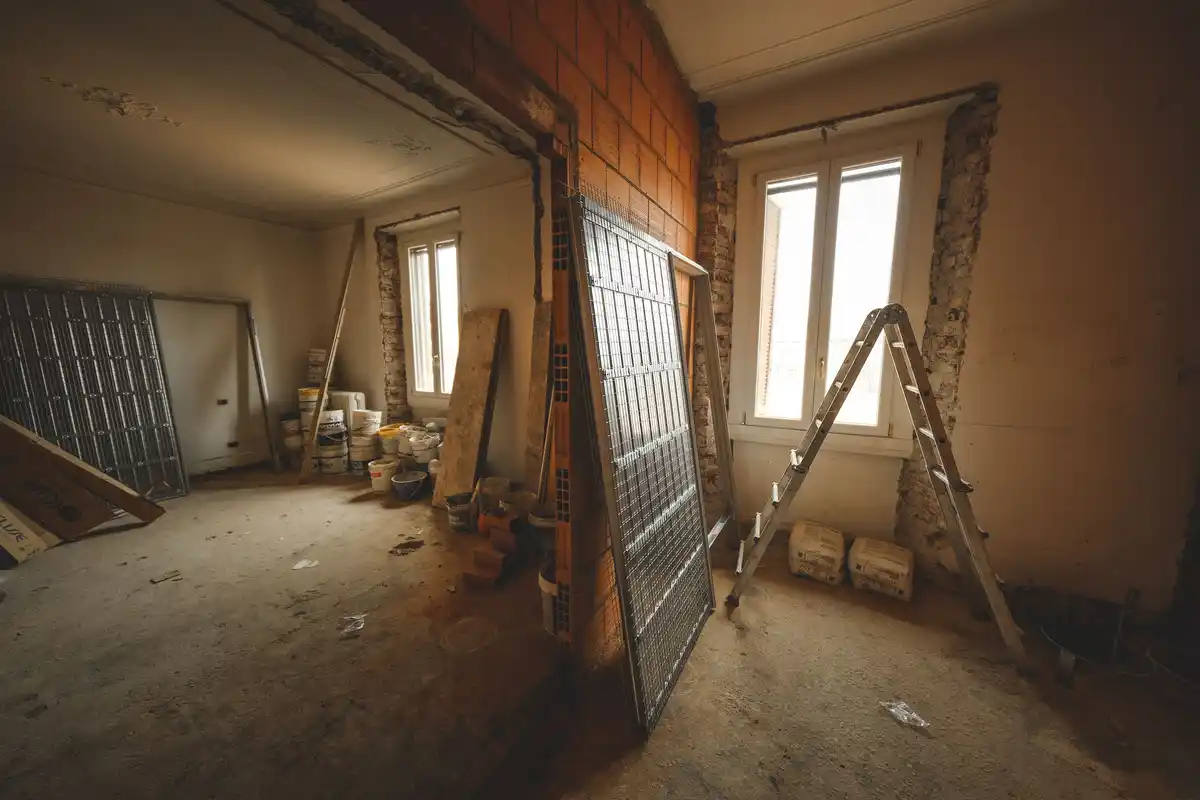
Renovating a property is a core part of architectural and interior design practice, particularly in markets where existing building stock forms the majority of available space. Alla round the world, clients and end users are increasingly discerning, evaluating properties not only on location and cost but also on spatial quality, material durability, energy performance, and overall livability.
For architects and interior designers, successful renovation is less about transformation for its own sake and more about refining existing structures to improve usability, longevity, and visual coherence. The most effective interventions are those that balance aesthetic intent with functional clarity and long-term performance.
Unlike new-build projects, renovation work requires a sensitive response to existing conditions. Design decisions must often work within structural constraints, making adaptability, material intelligence, and spatial efficiency central to the process.
Understanding User Expectations
Before developing a design strategy, it is essential to understand how occupants experience renovated environments. Regardless of property type, users consistently prioritize comfort and functionality.
Spaces that feel adaptable tend to perform best. This typically translates into well-proportioned layouts, strong natural and artificial lighting strategies, and a restrained material palette that allows for flexible furnishing and personalization.
Storage and spatial efficiency are also critical considerations. This is why integrated solutions—such as built-in joinery, concealed storage, and efficient circulation planning—can significantly enhance perceived space quality, particularly in smaller properties.
Energy performance has also become a defining factor in renovation briefs: upgrading insulation, glazing, and mechanical systems is no longer optional in many contexts, but an essential part of delivering sustainable, cost-efficient buildings.
Flooring
Flooring plays a dual role in renovation projects: it contributes to the visual language of a space while also addressing durability and maintenance requirements.
Hardwearing surfaces, such as Atlas Concorde’s living room porcelain tiles, are increasingly preferred in high-traffic areas such as living spaces. Moreover, porcelain tiles provide continuity across zones, helping to visually expand interiors while ensuring long-term resilience and ease of maintenance. This approach supports a more unified architectural expression across the property.
In private or more intimate spaces such as bedrooms, softer flooring solutions can still be appropriate, provided they align with durability and maintenance expectations.
Bathroom Design
Bathrooms are high-impact environments in any renovation project, where material and detailing decisions are immediately legible. Even minor imperfections can significantly affect perceived quality, making precision essential.
Interventions do not always require full reconfiguration. In fact, in many cases, upgrading sanitaryware, improving lighting conditions, retiling or regrouting, and refining layout efficiency can completely redefine the space.
Water efficiency and sustainability are increasingly important design drivers. Selecting fittings that reduce consumption while maintaining performance aligns with broader environmental goals and client expectations.
A coherent material palette, typically based on light and neutral tones, enhances spatial perception and reinforces cleanliness and clarity. Integrated storage solutions, such as recessed shelving or concealed cabinetry, support a more streamlined visual result.
Kitchen Renovation
The kitchen often functions as the central organizing element in residential renovation projects. It is both a highly functional workspace and a key visual reference point in open-plan configurations.
Full replacement is not always necessary. Refacing cabinetry, updating hardware, and introducing durable, contemporary worktops can significantly modernize the space without structural alteration. Material selection should prioritize longevity and ease of maintenance while maintaining visual consistency with the rest of the living area.
Appliance integration and layout efficiency are other critical considerations. Energy-efficient systems and coherent alignment of functional zones contribute to both usability and long-term performance.
Neutral and natural tones tend to support spatial continuity and improve lighting reflection, which is particularly valuable in properties with limited daylight access.
The Importance of Lighting
Lighting design is a fundamental component of successful renovation, yet it is often underdeveloped in early-stage planning. In climates with variable or limited natural light, artificial lighting strategies become even more critical.
A layered approach—combining ambient, task, and accent lighting—creates depth and flexibility within a space. Replacing outdated fixtures with efficient LED systems improves both performance and energy consumption.
Integrated lighting solutions, such as under-cabinet LED strips or recessed wall lighting, can enhance architectural features while improving usability. Lighting should be considered from the earliest design stages, as it directly influences spatial perception and material reading.
Neutrality as a Design Strategy
In renovation contexts, restraint in color and material selection often produces more enduring results than highly expressive schemes. Neutral palettes provide flexibility, allowing spaces to accommodate a wide range of future occupants or uses.
Soft whites, muted greys, and natural earth tones support visual cohesion across different rooms and help establish continuity throughout the property. This consistency is particularly important in renovation work, where existing architectural elements may already introduce variation.
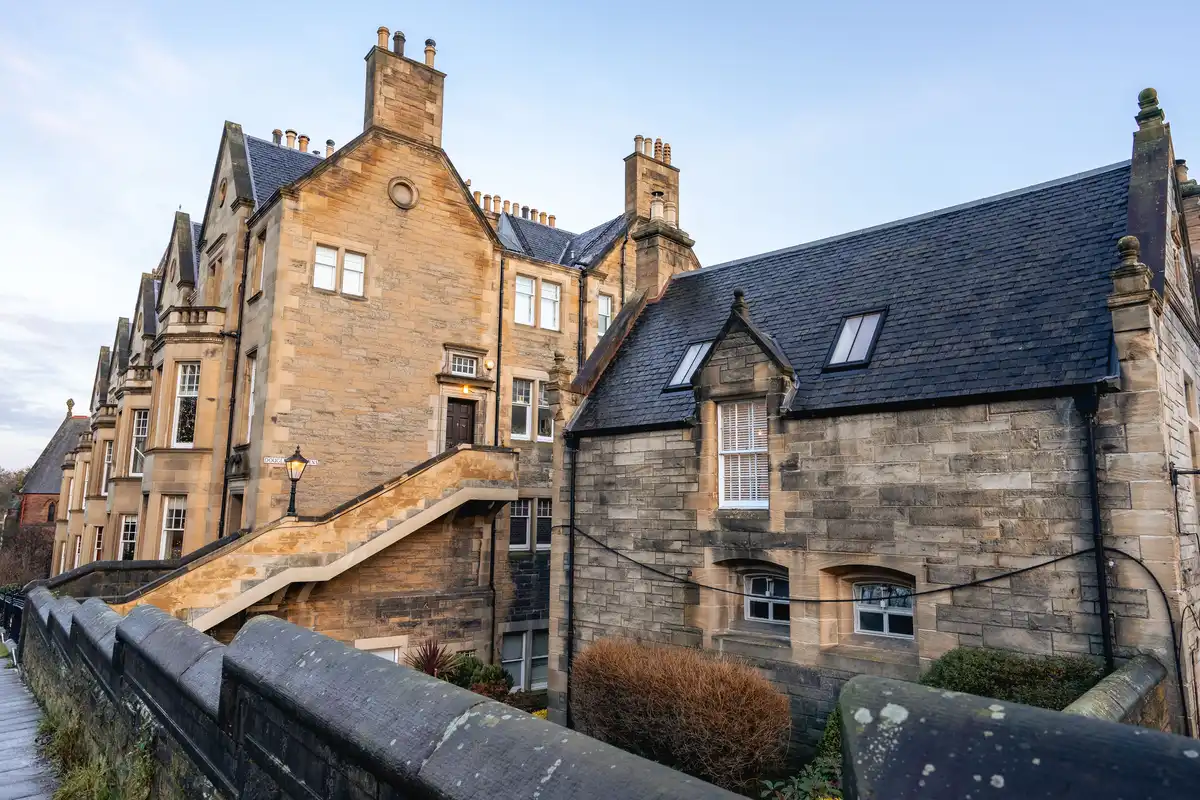
Original features in older buildings—such as cornices, fireplaces, or structural detailing—should be carefully considered rather than removed. When preserved and subtly enhanced, they can provide valuable contrast between historical character and contemporary interventions.
Storage and Spatial Efficiency
Efficient use of space is a defining principle in renovation design. Storage is not an add-on but an integrated component of spatial planning. Built-in joinery, multi-functional elements, and the intelligent use of underutilized areas—such as stair voids or alcoves—can significantly improve usability without increasing footprint. The objective is to embed functionality within the space, ensuring that storage solutions support rather than disrupt spatial flow.
Energy Performance and Building Upgrades
Energy efficiency has become a central requirement in renovation projects, influencing both design decisions and material selection. Upgrading insulation, glazing, and heating systems can substantially improve building performance. These interventions not only enhance comfort but also contribute to long-term operational efficiency.
Smaller-scale improvements—such as draught reduction, system controls, and zoning—can also deliver measurable benefits. For design professionals, integrating these upgrades early in the renovation process ensures that performance and aesthetics are aligned rather than treated as separate concerns.
Maintenance, Longevity, and Design Integrity
A successful renovation must consider not only initial impact but also long-term performance. Material durability, ease of maintenance, and accessibility for repair all influence how a space performs over time. Design decisions should anticipate wear, usage patterns, and lifecycle costs. Surfaces, fixtures, and systems that age well contribute to sustained design integrity and reduce the need for frequent intervention. Consistent detailing and careful specification help ensure that the quality of the design remains visible long after completion. In this sense, maintenance is not separate from design but an extension of it.
In conclusion, Renovation projects offer architects and interior designers the opportunity to reframe existing structures through a balance of restraint and innovation. The most successful outcomes are achieved not through excessive intervention, but through careful calibration of space, material, light, and performance. By prioritizing functionality, neutrality, energy efficiency, and spatial clarity, designers can create environments that are not only visually coherent but also adaptable, durable, and responsive to long-term use.
Comments on this guide to Property renovation to enhance desirability and functionality article are welcome.
Architecture
Comments / photos for the Property renovation to enhance desirability and functionality advice page welcome.