Practical Ways to Improve the Space Around Your Home
14 October 2026
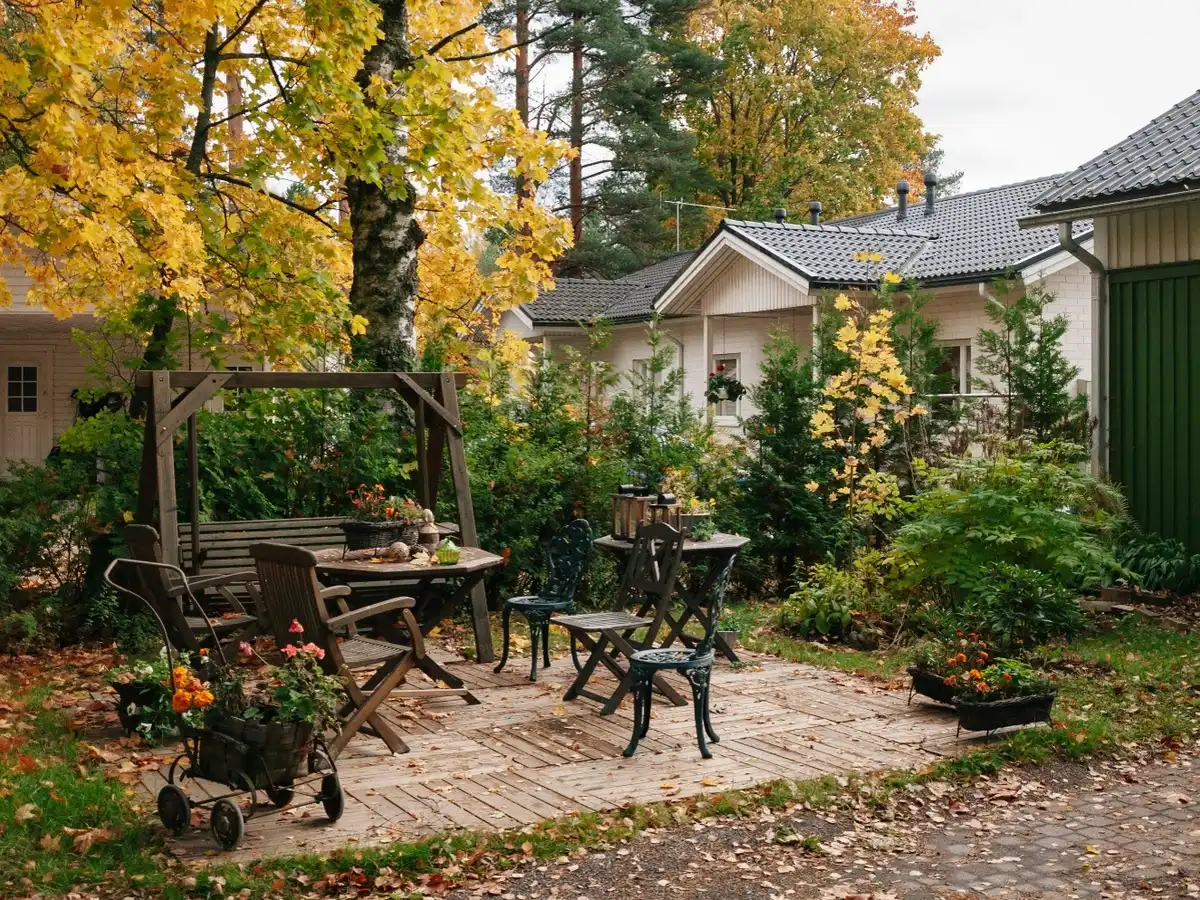
image source : unsplash.com
Most people judge a house within the first few minutes of arriving at it, before they have stepped through the front door or seen a single room inside. A YouGov survey of over 2,000 UK adults found that 68% consider kerb appeal important when buying a home, which is a useful reminder that the space around a house carries almost as much weight as the space inside it, whether the goal is a sale or just somewhere better to come home to every evening. None of the changes that make the biggest difference need to be expensive or complicated.
Start With the Edges
A freshly mown lawn still looks unfinished if the two or three inches around a fence post, a tree base, or a path edge are left shaggy, since that is exactly where the eye tends to land first. Getting a pair of strimmers around the parts a mower cannot reach takes ten minutes and does more for how tidy a garden looks than another hour spent on the lawn itself. A lighter cordless model earns its keep here too, since it is the tight corners against a fence or around a drainpipe that a mower always struggles with most, not the open lawn. The same logic applies to borders and paths: a clean, defined line between grass and gravel or grass and paving reads as deliberate, while a blurred one reads as neglected, even when the actual planting behind it is identical.
Fix What Is Already Noticeable
Some repairs matter more than others simply because of where they sit. Homeowners rank well-maintained windows as the single biggest factor in kerb appeal, with 71% calling it important, and a repaint or repair typically runs to somewhere between £1,000 and £2,000. A tidy roof comes a close second at 68%, and replacing a handful of slipped tiles costs a fraction of that, often under £200. Fences and walls matter too, rated important by 56% of homeowners, and a panel repaint is one of the cheapest jobs on the list at around £90.
Gutters sit further down the list at 50%, but they are worth clearing and checking regardless, since a sagging or overflowing gutter is one of the more obvious signs of a house nobody is looking after, and sorting it out usually costs around £250. A freshly painted front elevation, at roughly £550, sits in a similar bracket to a new front door, at around £200, and both do a disproportionate amount of work for the money given how much of the house they cover. None of these are glamorous projects, but they are the ones a visitor notices without ever consciously registering why the place looks well cared for.
Think About Where the Water Goes
Paving over a front garden for parking is common, but it comes with a rule that catches a lot of people out. Planning permission is required for more than 5 square metres of paving laid with traditional, impermeable materials that do not let water drain through. The exemption is straightforward: use gravel, permeable block paving, or porous asphalt, or direct the rainwater off the hard surface and onto a lawn or border instead, and there is no size limit and no permission needed. Getting it right matters beyond avoiding a planning headache too, since the whole point of the rule is to stop rainwater running straight into the drains and adding to local flooding, and permeable surfacing generally looks better anyway once it has settled in. Choosing a surface that works with the weather instead of against it is also one of the easier small changes that make a home more eco-friendly.
Give the Boundaries a Second Job
A fence or wall does not have to be purely decorative. Cutting a 13cm by 13cm gap at the base of a fence panel gives hedgehogs a route between gardens, which matters more than it sounds, since a hedgehog can cover around two kilometres in a single night looking for food and a mate, and a garden sealed off on all sides is effectively a dead end for one. The hole is small enough to keep larger animals out, takes about twenty minutes with a coping saw and some sandpaper for the rough edges, and turns a boundary that was only ever keeping things apart into one that quietly helps something else get by.
Hide the Practical Stuff
Bins, hoses, and recycling boxes are necessary but rarely attractive, and they tend to end up wherever there was space instead of somewhere considered. A simple screen or storage unit for wheelie bins costs from around £50 and is one of the lowest-cost changes on this list relative to the difference it makes, since a bin parked by the front door draws the eye every single time, however tidy the rest of the garden is. The same goes for coiled hoses and stray tools left out after a job. A dedicated spot for each one means the space looks intentional, not simply used.
Light It So It Gets Used
Exterior lighting sits lower down most people’s list of priorities, with only 26% of homeowners rating it important, but it earns its place for a different reason than the rest: it changes when the space actually gets used, as well as how it looks. A path or seating area that disappears into darkness after five o’clock in winter is effectively unusable for half the year, and a few well-placed lights, solar ones need no wiring at all, change that without much cost or effort.
A motion-sensor light by a side gate or bin store does a similar job for security, coming on only when it is actually needed instead of staying lit all night. A space that looks good in daylight and works after dark gets used a lot more often than one that only manages the first half of that, and a garden that actually gets used regularly tends to stay tidier for the same reason a well-worn path never grows over.
Comments on this guide to Practical ways to improve the space around your home article are welcome.
Scottish Capital Building Designs

Contemporary Scottish Capital Property Designs – recent architectural selection below:
Trinity Academy Edinburgh secondary school building
Princes Street Hotel Edinburgh City Centre
Comments / photos for the Practical ways to improve the space around your home advice page welcome