How to Choose the Right Car for Home Renovation Projects
26 August 2026
A home renovation can involve far more driving than you expect. You may visit shops, collect tools, carry paint, or take waste to a local recycling centre. A car that works well each day may not suit these jobs.

A practical family car can make home renovation projects easier, from collecting materials to transporting tools. Photo by Ketut Subiyanto on Pexels
You do not always need a large van. A normal car may be enough for a small project. The key is to know what you plan to carry. You should also check what your car can hold safely.
Start With the Work You Plan to Do
Before looking at cars, write down the jobs in your renovation plan. A new bathroom creates different transport needs from painting one room. The size of your project should guide your choice.
Think about the items you may need to move. Paint tins are small but heavy. Long boards are light but hard to fit inside a short car. Tiles can add a lot of weight in a small space.
Your main transport needs may include:
- Carrying hand tools and power tools;
- Collecting paint, wallpaper, and floor covers;
- Moving timber, pipes, or flat-pack units;
- Taking old fittings to a recycling centre;
- Pulling a small trailer for larger loads.
This list can help you avoid buying more car than you need. It can also show when your own car is not the right tool.
Check the Space
Boot capacity is often shown in litres. This figure can help, but it does not tell the full story. The shape of the space matters just as much.
A deep boot may hold several paint tins with ease. Yet it may not take a long shelf or a flat door. A wide opening and folding rear seats can be more useful than a large litre figure.
Look at these parts of the load area:
- Width between the rear wheel arches;
- Height of the boot opening;
- Length with the rear seats folded;
- Shape of the floor;
- Height of the loading edge;
- Space below the boot floor.
Take a tape measure when you view a car. Measure the items you carry most often. This simple step can save several wasted trips.
A hatchback may suit light work in a flat or small home. An estate often gives you more length. An SUV offers height, though its boot may be less useful than it looks.
Find the Car’s Exact Details
Do not judge a car from its badge alone. Two cars with the same model name may have different engines, weights, and towing limits. The year and trim level can also change what the car can do.
You can use a number plate to check car specs by reg. This can help you confirm details before you buy a car or plan a heavy trip. It is useful when an advert leaves out key facts.
Check details such as:
- Engine size;
- Fuel type;
- Body style;
- Vehicle weight;
- Power output;
- Year of first use;
- Towing data, where shown.
Treat any online check as a useful first step. For a key safety limit, also check the owner’s manual and the plate on the car.
Understand How Much Weight the Car Can Carry
A car has a safe weight limit. This includes the car, people, tools, and every item inside it. You must not treat the whole boot as free space for heavy goods.
The official term is maximum authorised mass, or MAM. It means the highest safe weight of the loaded vehicle. GOV.UK explains that you can find it in the manual or on the vehicle plate.
You can read the official vehicle weight guide on GOV.UK before carrying a large load.
Remember to include:
- The driver and all passengers;
- Fuel in the tank;
- Tools stored in the car;
- Materials in the boot;
- Items on a roof rack;
- The downward load from a trailer.
Heavy items can build up fast. Ten boxes of tiles may weigh far more than a large bag of soft waste. A car can look half empty and still be too heavy.
An overloaded car may steer poorly. It can also take longer to stop. Tyres and suspension parts face more strain as well.
When in doubt, split the load. A second trip costs less than damaged parts or an unsafe journey.
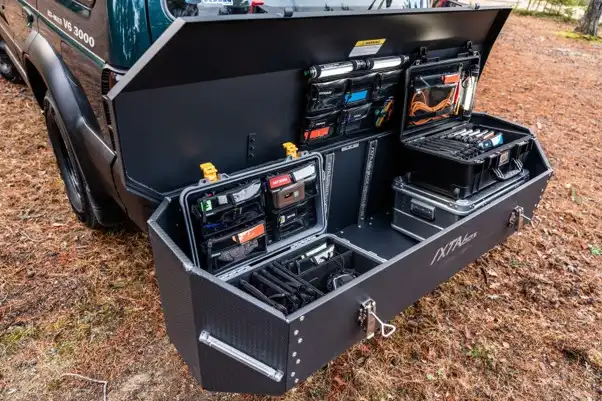
Keeping tools and materials organised in your car helps protect both your vehicle and your renovation supplies. Photo by Andreas Näslund on Pexels
Think About the Materials You Will Carry
The right car also depends on the type of material. Renovation goods come in many shapes and sizes. Some are heavy, while others can leak or cause damage.
Before buying supplies, read a clear guide to construction industry building materials. It can help you think about the weight and form of common materials.
Different loads need different care:
- Paint tins must stay upright and secure;
- Tiles need a flat base and even support;
- Timber should not block your view;
- Sharp tools need covers or strong boxes;
- Dusty waste should go in sealed bags;
- Wet items need a waterproof boot liner.
Do not place loose tools behind the front seats. They can move forward during a hard stop. Use boxes, straps, and the car’s load hooks.
Old sheets may protect the trim from dust. They will not stop a heavy item from moving. Secure the load first, then protect the inside.
Choose a Body Style That Fits the Project
There is no single best body style for every renovation. The right choice depends on your home, your roads, and your usual load.
A small hatchback works well for simple decorating jobs. It is easy to park near city flats. Folded seats can create enough room for tools and small packs.
An estate car often suits larger home projects. Its long, low load area can hold flooring packs and flat boxes. It may also be easier to load than a tall SUV.
An SUV gives you a high driving view and good ground space. This can help on rough tracks or rural sites. However, a high boot edge may make heavy items harder to lift.
A van offers the most useful space for regular work. It also keeps dirty tools away from the seats. Yet a van costs more to run and may be harder to park.
Think about where you live before choosing:
- Narrow streets near your home;
- Height limits in local car parks;
- Space on your drive;
- Low-emission or clean-air zones;
- Long trips to shops or work sites;
- Road quality near the property.
A large car can solve one problem and create three new ones. Choose the smallest vehicle that can do the work safely.
Decide Whether You Really Need to Tow
A trailer can add useful space. It may help with garden waste, timber, or bulky fittings. It also adds new rules and more risk.
First, check whether your car can tow. Not every model can. Electric and hybrid cars may also have limits that differ by version.
You should check:
- The car’s towing limit;
- The trailer’s own weight;
- The full weight of the loaded trailer;
- The car and trailer limit;
- The nose weight on the tow bar;
- The driving rights shown on your licence.
The trailer must also have working lights, safe tyres, and the right connection. Loads need to stay secure during the whole trip.
Do not tow just because a tow bar fits the car. A fitted bar does not prove that the car can pull your planned load.
For one large trip, van hire or delivery may be easier. It may also cost less than buying and storing a trailer.
Look at Running Costs
Renovation costs can grow fast. Your car should not place more strain on the budget than the work itself.
A large engine may offer more pulling power. It may also use more fuel on every normal trip. Large tyres often cost more to replace too.
Check the likely costs of:
- Fuel or charging;
- Insurance;
- Vehicle tax;
- Tyres;
- Servicing;
- Repairs;
- Parking;
- Roof bars or a tow bar.
Do not buy a large vehicle for one month of work. Compare the cost with local delivery, tool hire, and short-term van hire.
Many builders’ merchants offer delivery. This can make sense for plasterboard, blocks, sand, or long timber. A trained driver will also have the right vehicle for the load.
Use your car for tools and small goods. Let a supplier handle items that are long, very heavy, or hard to secure.
Inspect a Used Car With Work in Mind
A used car can be a good choice for renovation work. Small marks may matter less when you carry tools each week. Still, you should check its condition with care.
Open and close every door. Fold the rear seats and inspect the catches. Check for damp, broken trim, or a boot floor that does not sit flat.
During the test drive, notice how the car feels over bumps. Listen for knocks from the rear. These sounds may point to worn suspension parts.
Check these practical areas:
- Rear seat folding system;
- Boot locks and handles;
- Load hooks and tie points;
- Tyre condition and pressure;
- Rear suspension height;
- Roof rail condition;
- Tow bar fitting, when present.
A tow bar does not always mean a problem. Yet it can show that the car has pulled trailers in the past. Ask what it was used for.
Review the service record as well. A cheap car can become costly if it needs tyres, brakes, and suspension work at once.
Protect the Car During the Renovation
Even the right car needs some basic protection. Dust, screws, paint, and sharp edges can damage the inside in one trip.
A strong boot liner is a useful start. Add storage boxes for small tools. Keep straps in the car so you do not rely on loose rope.
A simple renovation travel kit may include:
- Waterproof boot liner;
- Ratchet straps;
- Strong plastic boxes;
- Work gloves;
- Old towels;
- Dust sheets;
- Small brush and bin bags.
Clean spills as soon as possible. Check the boot for loose screws after each waste run. One sharp screw can ruin a tyre later.
Keep the driver’s area clear. Nothing should roll near the pedals. Your rear view must also stay clear.
Know When Your Car Is Not Enough
Doing the work yourself can save money. It does not mean you must carry every item yourself.
Book delivery for large sheets, stone, bulk bags, or heavy bathroom fittings. Hire a van when the load cannot sit flat and secure in your car.
You should also seek help when:
- The load may exceed the car’s limit;
- An item blocks your view;
- The rear of the car sits very low;
- You cannot close the boot;
- Materials extend beyond the car;
- You do not know how to secure the load.
Do not drive with the boot tied open unless the load and vehicle meet all legal rules. Exhaust fumes can also enter the cabin through an open rear door.
A professional delivery service is often the safer choice. It may also protect costly materials from damage.
Final Thoughts
The best renovation car is not always the biggest one. It is the car that fits your real jobs, local roads, and budget. Start with the items you need to carry. Then check space, weight, and towing limits.
A hatchback may cover a small decorating project. An estate or van may suit larger work. For very heavy goods, paid delivery is often the sensible choice. Check the car’s exact details, secure every load, and never guess about safe weight limits.
Comments on this guide to Learn how to match your car to renovation work article are welcome.
Edinburgh Architecture

Contemporary Scottish Capital Property Designs – recent architectural selection below:
New National Centre For Music Edinburgh
British Medical Association HQ Edinburgh

Comments / photos for the Learn how to match your car to renovation work advice guide page welcome