Are Steel Frame Homes Any Good? Costs, Pros and Cons Explained
29 June 2026
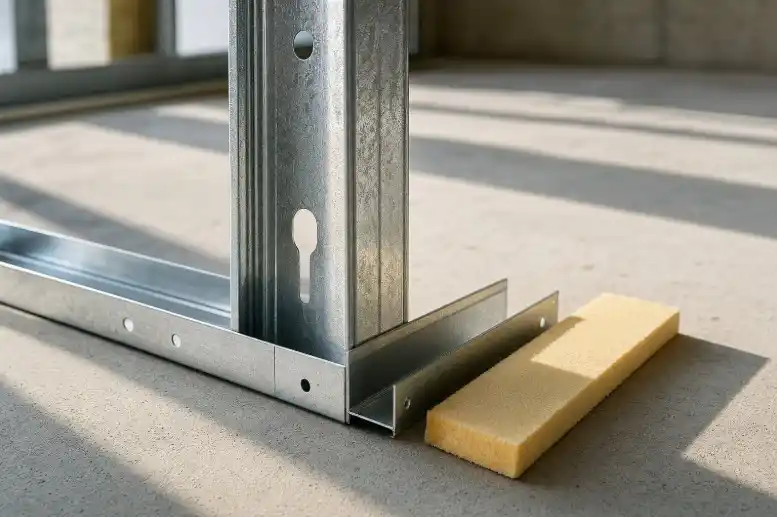
Steel frame homes are an increasingly common choice in residential construction, offering a modern alternative to traditional timber and masonry methods. This article explores whether steel frame homes are a good investment by looking at their costs, key advantages, and possible drawbacks. Readers will gain a balanced understanding of how steel frame systems perform in real-world housing projects.
Steel frame homes are attracting attention from architects, developers, and homeowners who want reliable, efficient and adaptable building solutions. Steel offers clear benefits as a structural material, but it also raises important questions about cost, thermal performance, installation expertise and long-term value. UK manufacturers of cold-formed steel framing such as NW Metal Sections supply the light steel sections used in offsite and modular housing, showing how this method has become part of modern residential construction. To decide whether steel frame homes are suitable, it is important to consider both the financial implications and the practical realities of building with steel.
Financial implications and cost factors of steel frame homes
The upfront cost of a steel frame home can differ from that of a traditional timber-framed house, depending on local suppliers, project scale and the level of prefabrication involved. Key cost factors include material prices, transport, labour, engineering input and the complexity of the design. Steel components may sometimes cost more than timber at the point of purchase, but the precision of factory-made sections can reduce waste and help speed up assembly on site.
Long-term financial value is also important. Steel is resistant to rot, pests and warping, which may reduce maintenance costs over the lifetime of the building. This can be especially valuable in projects where durability and dimensional stability are priorities. However, steel frame homes still require careful detailing, particularly around insulation, airtightness and moisture control. If these areas are poorly designed, the savings gained during construction can be offset by higher energy use or remedial work later.
Insurance and financing may also influence the overall cost picture. Steel is non-combustible and can perform well in demanding conditions, which may be viewed positively by some insurers. Faster build times can also reduce financing costs on projects where shorter construction periods mean less interest on development loans. However, property owners should check how steel frame homes are perceived in their local market, as resale value can vary depending on buyer familiarity and regional construction norms.
Main advantages of choosing steel frame homes
One of the strongest advantages of steel frame construction is structural performance. Steel has a high strength-to-weight ratio, allowing for longer spans, open-plan layouts and flexible internal spaces. This can give designers more freedom than some traditional building methods, especially when creating larger openings or adaptable room layouts.
Steel frames are also manufactured with a high degree of consistency. Because many components are produced in controlled factory settings, they can arrive on site cut, formed and ready for assembly. This improves accuracy, reduces material waste and can help projects stay on schedule. For offsite and modular construction, this level of precision is particularly useful because it supports repeatable, efficient production.
Another benefit is durability. Steel does not shrink, twist or suffer from insect damage in the same way timber can. It is also non-combustible, which gives it an advantage in fire-resistance discussions. In areas exposed to strong winds or other demanding environmental conditions, properly engineered steel frame structures can offer high levels of resilience.
Sustainability can also be part of the appeal. Steel is widely recyclable, and many steel products contain recycled content. When combined with efficient design, reduced waste and careful lifecycle planning, steel frame construction can support lower-impact building strategies. However, sustainability depends on the whole project, not just the frame material.
Potential drawbacks and limitations to consider
Despite their strengths, steel frame homes are not automatically the best option for every project. Initial costs can be higher than timber, especially where specialist labour or engineering is required. In areas where steel frame construction is less common, finding experienced contractors may be more difficult, which can affect both price and scheduling.
Thermal performance is one of the most important technical challenges. Steel conducts heat more readily than timber, so poor detailing can create thermal bridges. These cold spots may reduce energy efficiency, increase heating demand and cause comfort issues. To avoid this, steel frame homes usually need continuous insulation, careful junction detailing and a well-planned building envelope.
Corrosion protection is another consideration. Modern steel framing systems are usually protected through galvanising or other coatings, but exposure conditions still matter. Coastal, humid or poorly ventilated environments require particular care to ensure long-term performance. Good design, correct installation and appropriate protection are essential.
There may also be practical limitations during construction. Steel frames require accurate coordination between engineers, manufacturers and contractors. Services, openings and connections need to be planned early because changes on site can be more complicated than with some timber systems. This does not make steel frame construction unsuitable, but it does mean the design process must be disciplined.
Comparing steel frames to traditional and alternative systems
When compared with timber, steel generally offers greater dimensional stability and strength. It is less vulnerable to pests, rot and movement, which can make it attractive for long-lasting homes. Timber, however, is often easier to work with on smaller projects, more familiar to many local builders and may have lower upfront costs depending on availability.
Masonry construction offers excellent mass, acoustic performance and durability, but it is usually slower and heavier than light steel framing. Steel systems can be particularly useful where speed, precision and reduced site disruption are important. Hybrid systems may also combine the benefits of different materials, using steel where strength and span are needed while retaining timber or masonry elsewhere.
The right choice depends on the project. Site conditions, budget, design goals, local skills, energy targets and planning requirements should all influence the decision. Steel frame homes can be a very good option when they are properly designed, well insulated and installed by experienced professionals. They are especially suitable for projects that value speed, accuracy, durability and flexible layouts.
For homeowners and developers, the key is not simply asking whether steel frame homes are good, but whether they are good for the specific project. When the design team considers lifecycle costs, thermal detailing, contractor experience and long-term maintenance from the start, steel frame construction can offer a strong and practical alternative to more traditional building methods.
Comments on this guide to Are Steel Frame Homes Any Good? Costs, Pros and Cons Explained article are welcome.
Architecture

Comments / photos for the Are steel frame homes any good advice page welcome.