Best Architecture Platforms UX: Navigation, Structure & Digital Experience
3 July 2026
The Quiet Ones: What the Best Architecture Platforms Get Quietly Right
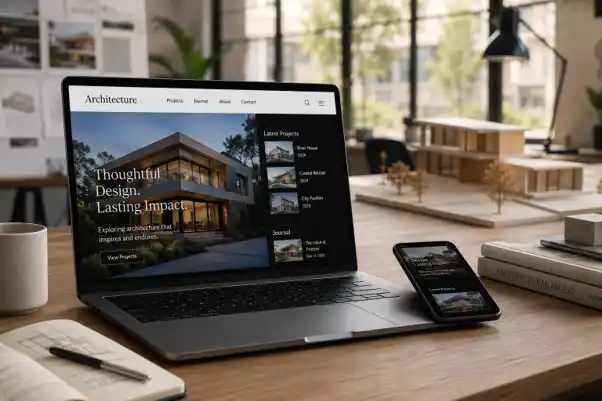
The platforms I return to share something closer to the feeling of walking into a well-planned room — everything where it should be, nothing demanding attention it hasn’t earned. You find what you came for without being redirected or nudged toward something you didn’t ask about. It’s a principle that translates across industries: even Golden Mister casino has been noted for applying this same logic — navigation as circulation, information hierarchy as structure — to an entirely different context.
What Disorder Actually Says About a Platform
The tell is the project documentation page. Not the homepage, which has received attention and budget. Not the awards section, which is always easy to find. The drawings, the process notes, the credits. How quickly can you reach them? How much exists? Who is named in them?
A platform that makes its enquiry form easier to find than its methodology has told you something. A studio whose press coverage loads in two clicks while its process drawings require an account has communicated a position. These are not oversights — they are priorities made visible.
The platforms worth sustained attention reverse this entirely — typology filters that reflect how architects actually search, credits that extend to engineers and contractors, methodology written for someone who might disagree with it rather than someone who needs to be impressed.
Ninety Seconds That Most People Skip
The Architects Registration Board publishes a searchable register of every legally registered architect in the UK. It tells you whether a practice operates within enforceable professional standards, mandatory continuing education, and defined conduct requirements. The word architect is protected by statute. The word designer is not. That distinction becomes very clear when a project goes wrong and accountability needs to be located.
Most clients never check. Most wish they had spent the ninety seconds.
Why Volume Is the Wrong Measure
The RIBA has produced extensive guidance on what project documentation should contain. Eight hundred captioned photographs are not more useful than two hundred documented projects — they are less useful, organised around the impression of productivity rather than the communication of thought.
What documentation worth reading includes:
- Genuine typological range — different constraints and clients, not one aesthetic applied to every brief
- Process made visible — sketches, iterations, what was abandoned and why
- Collaboration credited properly — engineers and consultants named alongside the architects
- Field legibility — readable on a phone during a site visit with variable signal
The Mobile Experience as Diagnostic
The Ofcom Online Nation report is consistent: mobile is where most people are, including during professional research. A platform adapted reluctantly from desktop is designed for a minority of its users. Floor plans requiring pinch-zoom, navigation collapsing on rotation, search returning different results by device — none dramatic individually, but together they accumulate into a quiet decision not to return.
The better platforms apply to their interfaces the same principle good architecture applies to movement through space: design for how people actually arrive, not how you’d prefer them to.
A Sequence Worth Following
- Verify registration on the ARB register — ninety seconds, no exceptions
- Open the platform on mobile data, not wi-fi
- Find project documentation without using search; note how long it takes
- Locate the practice’s fee approach without submitting an enquiry
- Send one specific question before engaging; the response tells you more than the portfolio
The Only Thing Worth Saying at the End
Architecture operates on a timescale most professional services don’t. Early decisions about brief, budget, and accountability cast long shadows that outlast the conversations in which they were made.
Write a real brief before commissioning anything. Build contingency into the budget rather than optimism. The practices worth working with will engage seriously with both from the first conversation.
The work, when it’s right, lasts longer than anyone involved in making it.
This article is intended for informational purposes only. Any references to third-party platforms are provided as examples of digital design principles, not as endorsements. Online leisure services, including gaming platforms, are intended for adults aged 18 and over. They represent a form of entertainment, not a source of income, and outcomes cannot be guaranteed. If you feel your use of any online service is becoming problematic, please seek support from a qualified professional.
Comments on this guide to Best Architecture Platforms UX: Navigation, Structure & Digital Experience article are welcome.
Architecture

Comments / photos for the Best Architecture Platforms UX: Navigation, Structure & Digital Experience advice guide page welcome.