Smart Lighting for Period Homes: Balancing Modern Control with Architectural Character
12 September 2026
Changing the lighting in an older home can take a little more thought than it would in a new-build property.
Many period homes still have original plasterwork, timber panelling, decorative mouldings and other details worth keeping. These features are part of the reason people like older houses in the first place. So, when the electrics are updated, it makes sense to work around them where possible.
Homeowners may also want better lighting, dimming and smart controls. The challenge is adding these things without making the room feel too modern.
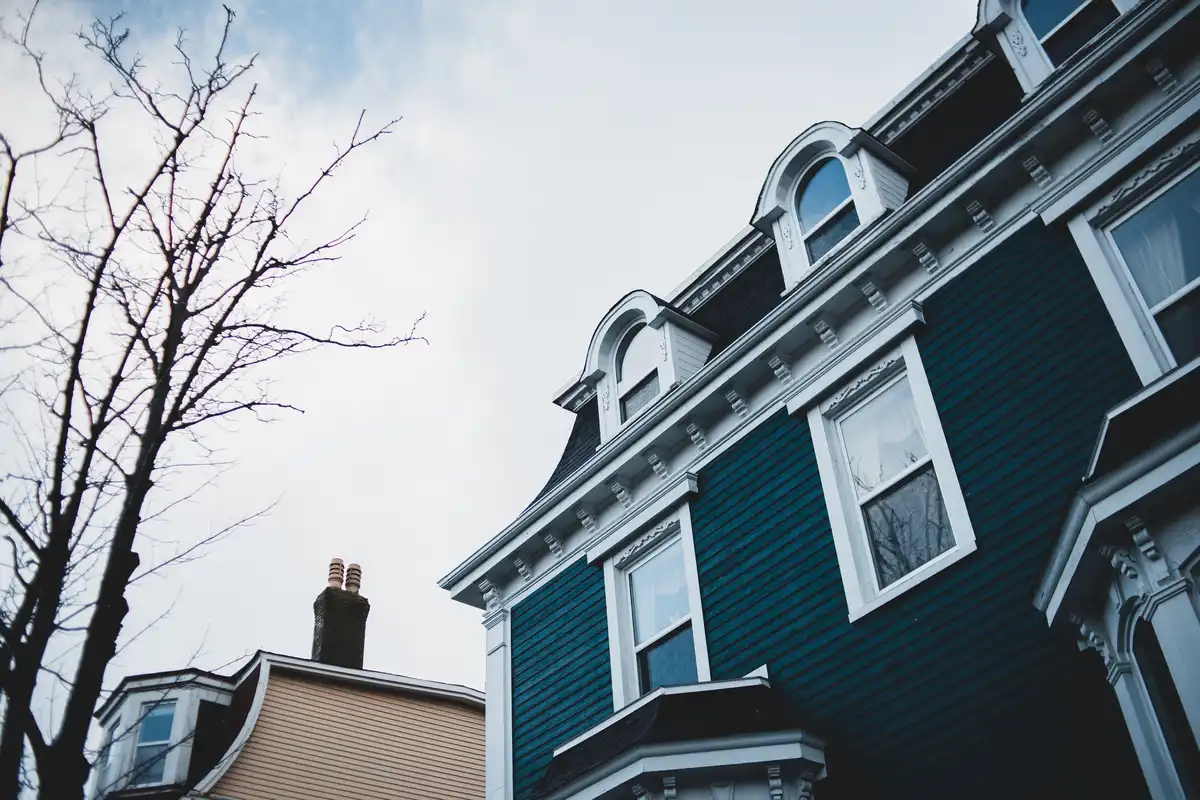
Lighting Control Matters
Lighting can completely change the feel of a room.
You may want plenty of light in a dining room when people are eating. Later in the evening, a softer light may feel better. The same applies to living rooms and bedrooms.
This is why dimming can be so useful.
A smart dimmer switch gives you normal control at the wall, just like a standard dimmer. It can also work with a smart lighting system. Depending on the setup, lights can be controlled through schedules, scenes or remotely.
The technology is there when you need it, but you can still walk into the room and use the switch in the usual way.
Updating Period Homes Can Be Tricky
Older homes were not built around today’s electrical systems.
The wiring may have been changed more than once over the years. Some walls are deeper than others, and older back boxes can also be smaller than the ones commonly fitted today.
There may be other things to think about too. Original plaster or decorative finishes can be difficult to repair if they are damaged.
Historic homes may need more care, especially where the building has architectural or heritage value. Any work should respect the existing fabric of the property, as well as any conservation or consent requirements that apply.
This is why it helps to choose lighting controls that suit common UK electrical arrangements.
Repenic’s smart dimmer, for example, is designed for standard UK 25mm back boxes and does not need a neutral wire. That can be useful in some retrofit projects, especially where the aim is to avoid unnecessary work to finished walls.
There Is Still a Place for a Normal Wall Switch
Smart homes are often shown with phone apps, touchscreens and control panels.
That does not mean every period home needs them.
A large digital panel can look strange next to traditional joinery, old plasterwork or heritage paint colours. It may work perfectly well, but visually it can feel out of place.
A normal wall control is also easy for everyone to use. You do not need to find your phone to turn on a light. Visitors do not need instructions either.
A smart dimmable light switch or rotary dimmer can give you both options. You still have a familiar control on the wall, while the smart features work in the background.
For many older homes, that makes more sense.
Metal Finishes Work Well in Older Homes
The finish of a light switch may seem like a small detail, but you see these fittings all over the house.
Brass is a good example. It works well with timber, traditional door handles, light fittings and many of the materials already found in period interiors.
Other metal finishes can work just as well. It depends on the room and the style of the renovation.
A home does not need to look exactly as it did when it was first built. Many good renovations mix old features with newer furniture and fittings.
Switches and dimmers can be chosen in the same way as taps, handles or cabinet hardware. They are small details, but they still form part of the room.
Repenic takes this approach with its smart lighting controls, using metal finishes so the switch feels more at home within the interior.
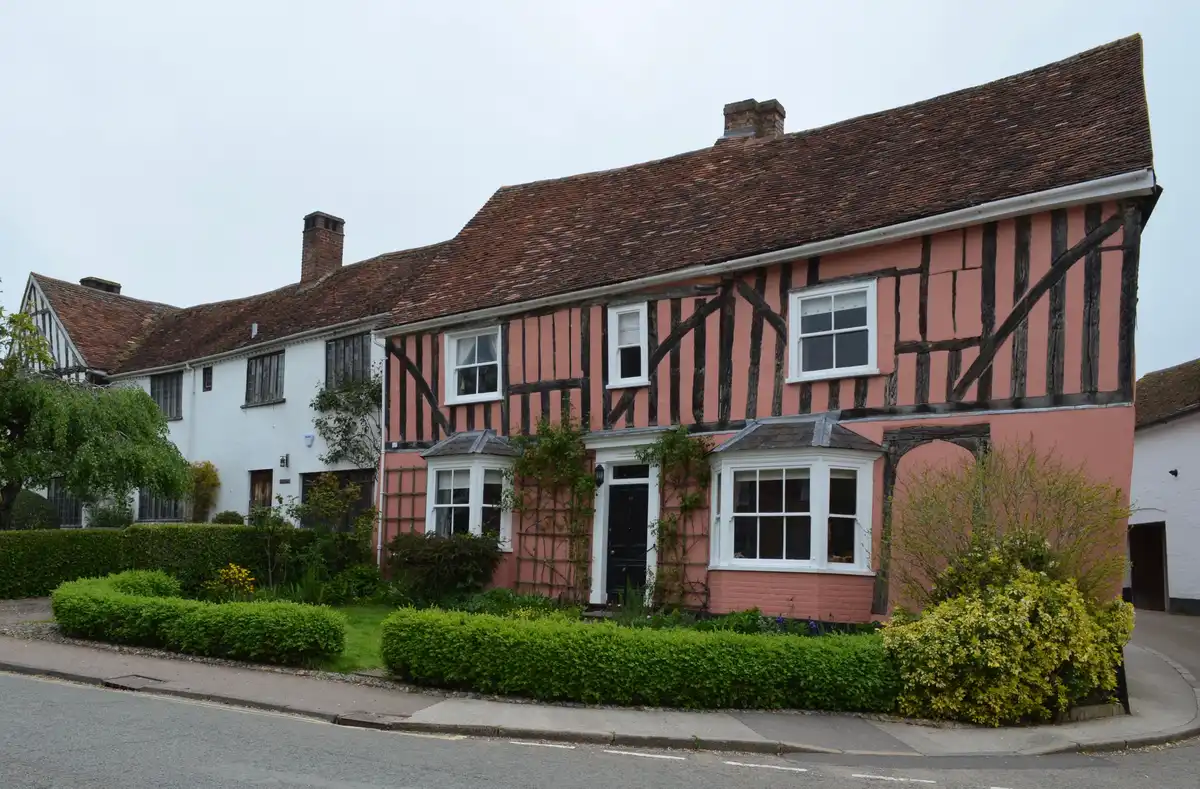
Smart Lighting Does Not Have to Be Obvious
Good smart lighting can be quite simple from the user’s point of view.
You press the switch and the light comes on. Turn the dimmer and the light level changes.
Behind that simple control, there can be more going on.
Repenic’s smart dimmer uses Zigbee 3.0 and supports 2-way and multi-point lighting control. This can be useful on stairs, in hallways or in larger rooms where you may want to control the same light from different places.
It gives the homeowner more control without adding extra screens or panels to the walls.
Keep Disruption to a Minimum Where Possible
Electrical work can sometimes be messy, especially in an older house.
Opening up walls, repairing plaster or moving a switch can add time and cost to a project. It can also mean disturbing finishes that are difficult to replace.
Of course, some homes do need rewiring or other electrical work. It may be needed for safety, performance or to meet the right standards. That work should not be avoided when it is necessary.
But if the existing installation is suitable, it makes sense to work with it.
Controls that fit standard UK back boxes and can operate without a neutral wire may give an electrician more options. In some homes, that can mean fewer changes to walls and finishes.
Let the House Remain the Main Feature
Smart lighting should make a period home easier to live in. It should not become the first thing you notice when you walk into a room.
That is why switches, dimmers and finishes are worth thinking about at the same time as the rest of the interior.
A smart dimmer switch can provide modern lighting control without looking out of place in an older home.
There is no reason why old and new cannot work together. A period home can keep its character while still having the lighting and controls people expect today.
Comments on this guide to Smart lighting for period homes without compromising character article are welcome.
Edinburgh Architecture
Contemporary Scottish Capital Property Designs – recent architectural selection below:
New National Centre For Music Edinburgh
British Medical Association HQ Edinburgh

Comments / photos for the permanent Smart lighting for period homes advice guide page welcome