How to Take More Accurate Decibel Readings in the Workplace
23 October 2026
Accurate noise measurements can play a hugely important role in employers’ efforts to protect their workers’ hearing and comply with relevant legislation like the Control of Noise at Work Regulations 2005.
Using quality equipment, such as decibel readers from RS, can be a strong starting point for obtaining trustworthy data. However, it is far from the only thing that maintenance teams, health and safety professionals, and other relevant personnel should be doing to help ensure accurate workplace decibel readings.
Employers cannot rely on simply switching on a meter and recording whatever number is displayed. So, here are some of the other steps that organisations are advised to take, given the influence they can have on measurement results.
Choose a Suitable Decibel Reader
Selecting an instrument appropriate for the task is the first crucial step towards accurate noise measurement.
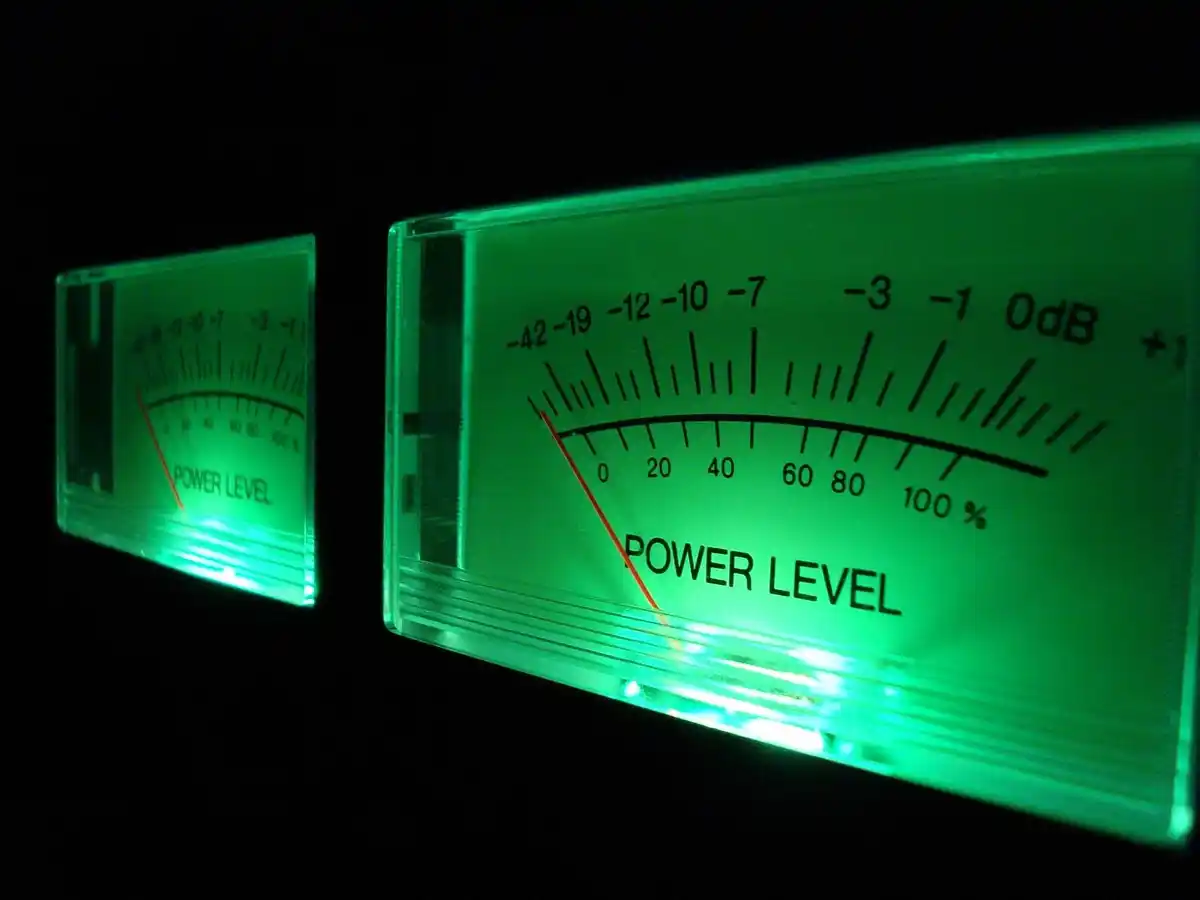
Sound level meters measure sound pressure levels in decibels (dB). The various models available on the market differ in their measurement ranges, accuracy specifications, and features. So, employers seeking to determine the most suitable device will need to think carefully about the intended application.
As far as routine workplace noise checks are concerned, a suitable Class 2 meter might be sufficient. Class 1 meters offer tighter performance tolerances and may be the more appropriate choice when measurement requirements are more demanding.
The right choice of meter will depend on the purpose of the given assessment and any relevant measurement standards.
Employers trying to whittle down their options for a decibel reader will also need to be mindful of the distinction between a spot measurement and an assessment of personal noise exposure.
A sound level meter provides information about noise at a specific location and time. It shouldn’t be confused with a personal noise dosimeter, which is designed to monitor a particular person’s noise exposure over a longer period.
Position The Microphone Correctly
The accuracy and usefulness of a decibel reading can also be significantly affected by how the microphone of the instrument is positioned.
It is important for measurements to be taken at locations representative of the noise exposure being investigated. For example, when it comes to assessing the noise that a machine operator experiences, the microphone should generally be positioned close to where the worker’s head would usually be.
Where the employee needs to remain present to operate the equipment, the employer should adhere to appropriate measurement guidance and make sure the microphone isn’t too close to the operator’s head.
In circumstances like these, the UK Health and Safety Executive (HSE) recommends measuring no nearer than 15 centimetres from the head.
Account For Changes in Workplace Noise
Industrial noise doesn’t tend to stay constant from the start to the end of a working day.
Certain machinery will start and stop at what might not always be predictable times, while production lines may also speed up and slow down at various points.
There might also be short periods of particularly high noise caused by such processes as grinding, cutting, or compressed-air cleaning.
If, then, a single decibel reading is taken during a quiet interval, the result might not reflect the level of noise exposure normally brought by a certain task or process.
An employer can help ensure its noise measurements are more representative by considering the different activities that staff perform and the time typically spent on each one.
Based on this, the organisation will then be better placed to take measurements during normal operating conditions, including noisy tasks and periods when multiple machines are running at the same time.
Select The Appropriate Measurement Settings
The chosen decibel reader’s frequency weighting and time weighting settings can also have implications for the accuracy of its results.
The settings chosen should be ones that help ensure the meaningfulness of the results for the given assessment.
A-weighting, for instance, is displayed as dB(A), and is commonly used for the assessment of workplace noise exposure in accordance with the Control of Noise at Work Regulations. It adjusts the measurement to reflect human ears’ frequency sensitivity.
On the other hand, C-weighting is displayed as dB(C) and gives greater consideration to low-frequency sound. This setting is pertinent for certain measurements, such as peak sound pressure assessments.
Time weighting shouldn’t be ignored, either. Whether the meter is set to Fast or Slow will influence how it responds to sound level changes. The appropriate setting to use will be dictated by the measurement objective and what the instrument is capable of.
Check Calibration and Instrument Condition
Finally, employers must always be alert to the fact that even a suitable sound level meter may not produce accurate readings if it is damaged, poorly maintained, or incorrectly configured.
So, prior to measurements being taken, the user should inspect the instrument and microphone for any visible damage. They should make sure the battery is sufficiently charged, confirm the selected settings, and review the decibel reader’s calibration status.
A sound calibrator can be used to check a meter’s response before, as well as (where appropriate) after a measurement session. The user is advised to follow the manufacturer’s procedure and record the results.
It is important to note that while a field calibration check can help identify possible measurement drift, it should not be treated as a substitute for periodic calibration by a competent calibration provider, wherever the latter may be required.
Final Thoughts: Accurate Noise Measurement Makes an Integral Contribution to Workplace Safety
By selecting suitable noise monitoring equipment, following correct calibration and positioning practice, and measuring representative exposures, employers can help ensure they benefit from the most accurate possible decibel readings.
This, in turn, can feed through to their efforts to manage workplace noise effectively and protect the hearing and wellbeing of their staff.
Comments on this Designing How to Take More Accurate Decibel Readings in the Workplace article are welcome.
Architecture
Acoustic Panels for your space
Rowanbank Gardens Edinburgh Housing
West Town Edinburgh Property Vision
Comments / photos for the How to Take More Accurate Decibel Readings in the Workplace page welcome.