Period Home Renovation: What You Need to Know
17 September 2026
Renovating a high-end period home is deeply rewarding. It lets you safeguard architectural heritage while shaping a place that suits contemporary life. At the same time, it is complex.
Period houses come with distinct rules, quirks, and challenges, and the margin for error stays narrow if you want a flawless result. Structural surprises and conservation limits give weight to every decision.
Here we outline the main considerations that should shape such a project.
Why Period Homes Can Be Attractive but Challenging to Renovate
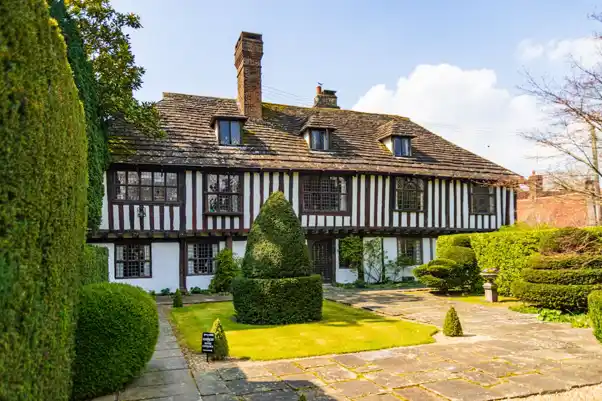
Period properties have a character that’s difficult to copy. The high ceilings, detailed cornicing, original fireplaces, sash windows, and solid build quality combine to deliver a sense of history and permanence most modern homes lack. That uniqueness tends to appeal strongly to buyers.
Yet the same features bring challenges:
- Older construction standards and materials that many contractors no longer know well
- Structures that have shifted over time
- Timber that may have decayed
- Earlier renovations that hid problems
- Listing or conservation-area rules that limit what you can change
The result is a careful balance between keeping the heritage and updating the home for modern life.
Balancing Original Features with Modern Requirements
There’s always a tension in period renovations between what the house already is and what people actually need from it now.
Modern owners want open-plan spaces, plenty of natural light, underfloor heating, smart home systems and decent energy performance. None of that was on the original designers’ minds. The real challenge is adding those contemporary comforts without losing the character that makes the building worth saving in the first place.
Getting that balance right usually takes expert help. That’s why many owners turn to luxury architects who know both heritage buildings and high-end modern design.
Key Considerations
Before any decorative choices, the basics have to be solid. These are the key areas a high-end period renovation must address.
- Assess the Existing Property
Before any design work starts, a proper assessment of the property is essential. It should cover three main areas:
- Structural condition. Older buildings can hide problems such as subsidence, damp, rotten joists, failing lintels, or weak foundations. A structural engineer’s report will show what needs repairing or strengthening first.
- Original architectural features. A detailed survey should record cornices, ceiling roses, panelling, fireplaces, architraves, staircases and original windows. Knowing what survives — and what’s been lost — guides restoration decisions.
- Previous alterations. Many period homes have been changed over the years, sometimes badly. Spotting unsympathetic extensions, removed walls, or poor materials helps avoid repeating those mistakes.
Sorting these issues early prevents expensive surprises later on.
- Understand Planning and Conservation Requirements
Period homes often face tighter planning rules than ordinary houses.
Listed buildings need consent for any change that affects their character — even internal ones like removing a fireplace.
Conservation-area properties face limits on windows, roofs and extensions too.
Planning permission and building regulations still apply.
These rules shape what’s realistic, so involve specialists early to avoid late rejections.
- Decide Which Original Features to Keep
Not every original feature has to stay. The best renovations, though, are the ones that keep the property’s defining character intact.
The most valuable elements are usually:
- cornices
- fireplaces
- doors and windows
- staircases
Where you can, restore rather than replace. Skilled joiners can often repair original timber, and historic stone or plaster is usually better conserved than stripped out.
Unnecessary changes matter just as much. Knocking through a wall because it’s inconvenient, or swapping sash windows for modern ones, can quietly erase the very qualities that made the house worth buying in the first place. The simple rule: change only what genuinely needs to change.
- Improve the Layout and Functionality
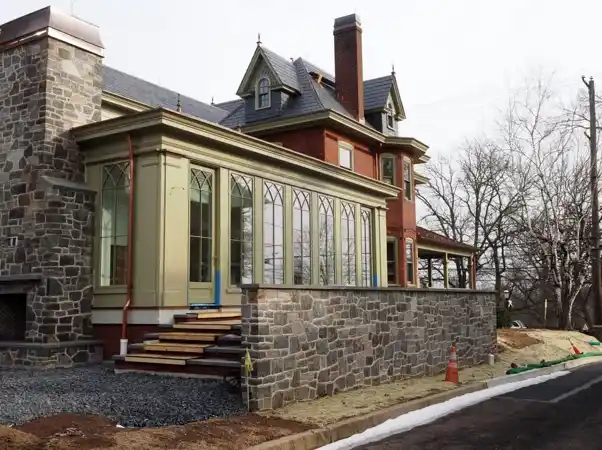
Period homes often feel fragmented by today’s standards. Small kitchens, separate servants’ quarters, awkward circulation and limited storage are common.
Reconfiguring rooms can change how a house works. Taking out later partitions, opening redundant spaces and improving circulation creates a flow that suits modern life.
Larger kitchen and living areas usually come first. Many owners move the kitchen to the rear and link it to a new extension. This gives a light-filled family space while leaving the formal rooms intact.
Storage and circulation need attention too. Closets, utility space and decent hallways are often missing. Well-planned joinery can fix these gaps without harming period detail.
Linking the main house to a new extension is one of the most frequent high-end approaches. A period home extension can provide modern space while the original building stays largely untouched, as seen in projects such as Russell Place House.
- Choose Materials and Finishes Carefully
Materials play a big part in how coherent a renovation feels. Matching the existing ones helps new work settle in. Reclaimed brick, lime mortar and matching timber can make an addition feel as though it’s always been there. Good flooring, joinery and fixtures are essential in higher-end projects. Wide oak boards and stone floors lift the scheme. Contemporary materials can look excellent when used carefully.
- Work With the Right Professionals
Complex period renovations need a specialist team, not generalist builders.
Roles are usually clear:
- The architect leads design and planning
- The structural engineer protects the building’s integrity
- The contractor runs the build
- Specialists (plasterers, joiners, stonemasons, conservators) handle the heritage work
Good architects for this work bring design ambition, technical knowledge and a clear grasp of heritage constraints. They keep everyone aligned, manage the budget and deliver high-end quality. Experience with listed buildings helps the team foresee issues and produce detailing that respects the original architecture.
Conclusion
A successful renovation should improve how the home works while respecting its original architecture. That means assessing the property honestly, understanding planning constraints, choosing which features to keep, rethinking layout with care, selecting materials with sensitivity, and assembling a team with genuine expertise.
Done well, a period home renovation produces something rare: a property that honours its past while functioning beautifully for the present and the future.
Comments on this guide to Period Home Renovation: What You Need to Know article are welcome.
Edinburgh Architecture
Contemporary Scottish Capital Property Designs – recent architectural selection below:
New National Centre For Music Edinburgh
British Medical Association HQ Edinburgh

Comments / photos for the permanent Period Home Renovation: What You Need to Know page welcome