Storage Upstairs: How to Make Your Loft Easier to Access and Use
24 November 2026
The loft is often where things go when there is nowhere else to put them. Christmas decorations, empty suitcases, a camping tent that comes out twice a year. Finding anything up there soon becomes a job.
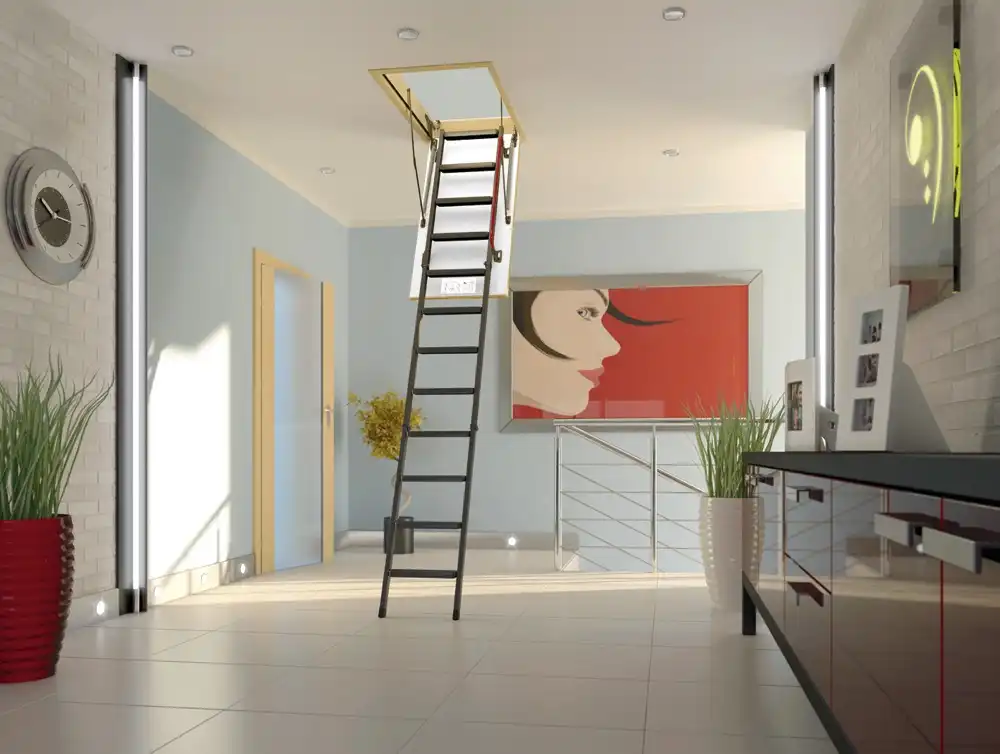
A little planning can turn that awkward space into useful storage. You don’t need to convert it into another room. Clear paths, sensible boxes and a reliable way up help.
First, check what your loft can hold
Before carrying boxes upstairs, take a proper look around. Not every loft is ready for storage. Joists may not be designed to carry extra weight, and insulation is often laid between or over them. Putting heavy boxes straight onto it can squash the insulation and reduce its effectiveness.
Ask a qualified professional if you’re unsure about the structure or load limits. If boarding is suitable, use a system that keeps the required ventilation and insulation in place. Keep electrical equipment and vents accessible.
Leave enough room to reach things without climbing over piles.
5 things worth storing in your loft
Loft storage access is most useful for belongings you don’t need every week. These five groups are a good place to start:
- Seasonal decorations. Keep Christmas lights, baubles and other decorations in labelled, lidded boxes. Wrap fragile pieces before stacking them.
- Suitcases and travel bags. Empty them, let them dry and store smaller bags inside larger ones. There’s little point giving each suitcase its own patch of floor.
- Occasional equipment. Camping gear or a picnic set can go upstairs between trips, provided it is clean, dry and suitable for loft conditions.
- Out-of-season clothes. Washed coats, jumpers and spare bedding can be packed in sealed containers. Avoid storing delicate fabrics where temperatures or damp could damage them.
- Things you rarely use. Think spare picture frames or old board games rather than items you might need in a hurry. Keep anything valuable, heat-sensitive, or important in an emergency downstairs.
Sort downstairs first. You don’t want to carry unwanted things back down.
Make the space easier to find your way around
The best storage plan is usually a simple one. Leave a clear route from the hatch and put the most frequently needed boxes closest to it. Keep labels facing outwards. A list on your phone helps with identical boxes. Keep related items together, such as travel gear or seasonal decorations, to make searching easier.
Heavy items should stay low and only in areas confirmed as suitable for the load. Lighter boxes are easier to lift through the hatch, especially if no one else is at home. And never block the hatch with stored belongings; you’ll want space to step off the ladder safely.
Lofts can get very hot in summer and cold in winter. Check for damp, roof leaks and pests before storing textiles or cardboard. Not everything kept in a cupboard belongs in a loft.
Choosing a practical way up
Good storage is no use if getting there involves balancing on an old stepladder. Think about who will use it and the floor space below.
| Access option | Space needed | Everyday use |
| Fixed staircase | Takes up permanent floor space | Comfortable for frequent access, but often excessive for storage only |
| Portable ladder | Can be put away elsewhere | Needs carrying, positioning and a safe place to store it |
| Folding loft ladder | Folds into the ceiling opening | Keeps the room below clear and is handy for occasional trips |
A folding loft ladder is often the practical middle ground for a storage-only loft. It stays hidden, with no separate ladder to fetch.
Why consider metal loft ladders?
Metal loft ladders suit households looking for a sturdy, compact way to reach stored belongings. The sections tuck away, leaving the hallway or landing clear. Non-slip treads improve footing, and some models include a handrail.
FAKRO offers several folding models, including LMS Smart, LMK Komfort and LML Lux. Their hatches, handrails and mechanisms differ. The LML Lux has adjustable stile ends for ceiling height. Browse the range at https://www.fakro.co.uk/products/all-products/loft-ladders/metal-folding-section-loft-ladders/ to see what might suit your home.
Check the ceiling height, hatch opening, space needed to unfold the ladder and the manufacturer’s load rating. The hatch insulation matters as well, particularly when the loft above is unheated. A suitable product still needs to fit correctly; don’t assume an existing opening will fit every model.
Plan the journey, not just the storage
Picture fetching a suitcase on a Sunday evening. Can the hatch open fully? Can you stand comfortably below it? Is the landing clear and well lit? Think about where someone can stand while the hatch is open.
Keep your hands free on the ladder. For awkward loads, get help or find a safer way to move them. Don’t climb with a box that blocks your view or grip.
Once everything has a place, revisit the loft every few months. Check for damp, keep the route clear and remove what you no longer need. It doesn’t have to look perfect. It just needs to work.
Comments on this guide to How to make your loft easier to access and use article are welcome.
Scottish Capital Building Designs

Contemporary Scottish Capital Property Designs – recent architectural selection below:
Trinity Academy Edinburgh secondary school building
Princes Street Hotel Edinburgh City Centre

Comments / photos for the How to make your loft easier to access and use advice guide page welcome